Tag

Impact

Browsing

High-stakes testing has become a major part of the education system in many countries, including the United States. These tests are designed to measure student achievement and hold schools accountable for their performance. While the goal of these tests is to improve education, the impact on teaching practices is complex and multifaceted.

How to Score high in PTE Academic Writing Test? - IOA Global

What is High-Stakes Testing?

High-stakes testing refers to standardized tests that have significant consequences for students, teachers, and schools. These tests are typically used to make important decisions about education, such as grade promotion, graduation, and college admissions. High-stakes tests are often used as a measure of student achievement and school performance, and the results are used to hold educators accountable.

The Impact on Teaching Practices

High-stakes testing has had a significant impact on teaching practices. Many educators feel that these tests have narrowed the focus of instruction and reduced the emphasis on critical thinking and creativity. Teachers are often forced to spend a significant amount of time preparing students for these tests, which can lead to a focus on rote memorization rather than deeper learning.

Furthermore, the pressure to perform well on high-stakes tests can lead to a culture of teaching to the test. This means that teachers may focus on teaching specific test-taking strategies rather than teaching the broader skills and knowledge that students need to succeed in life. Students may become disengaged or frustrated with the emphasis on testing, leading to a decrease in their motivation to learn.

Positive Effects of High-Stakes Testing

Despite these challenges, there are also some positive effects of high-stakes testing on teaching practices. For example, these tests have encouraged teachers to become more data-driven in their approach to instruction. Teachers are now more likely to use data to identify areas where students need additional support and to adjust their instruction accordingly.

Additionally, high-stakes testing has helped to shine a light on educational disparities. By measuring student achievement and holding schools accountable, these tests have forced educators to pay more attention to equity and access. Schools that serve disadvantaged students are now more likely to receive additional resources and support to help their students succeed.

The impact of high-stakes testing on teaching practices is complex and multifaceted. While there are certainly challenges to this approach, there are also some positive effects. Ultimately, the goal of education is to prepare students for success in life, and high-stakes testing is just one tool that can help to achieve that goal.
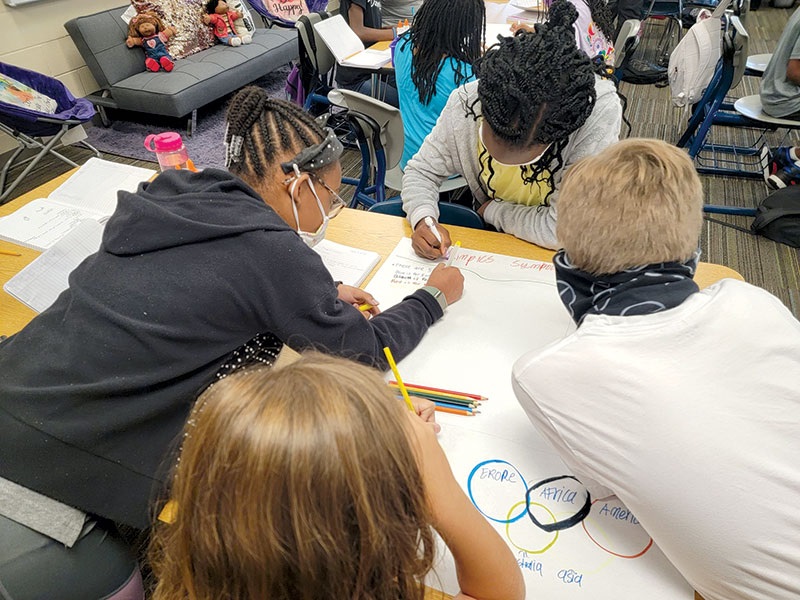
Extracurricular activities are an integral part of a student’s overall development. These activities provide students with opportunities to explore their interests, develop new skills, and enhance their social and emotional well-being. However, with the increase in budget cuts in schools across the country, extracurricular activities have become a target for cost-saving measures. This has resulted in a significant impact on the availability and quality of extracurricular activities for students.

Finding the funding for school expansion

Reduced Funding for Extracurricular Activities

One of the most significant impacts of budget cuts is reduced funding for extracurricular activities. Schools are forced to cut back on funding for sports teams, clubs, music programs, and other extracurricular activities. This means that students have fewer opportunities to participate in these activities, and the quality of the programs may suffer due to lack of resources.

For example, a school may have to eliminate a sports team or reduce the number of competitions they participate in due to budget constraints. This not only affects the students who are passionate about the sport but also impacts their physical and mental health. Similarly, music programs may have to cut back on instrument purchases or reduce the number of performances they can hold, impacting the students’ creativity and self-expression.

Impact on Student Engagement

Extracurricular activities play a vital role in engaging students in their school community. When students are involved in extracurricular activities, they feel a sense of belonging and connection to their school. They also have the opportunity to form friendships with peers who share similar interests, which can help them build a support system and improve their social skills.

However, when schools have to make cuts to extracurricular activities, this can lead to a decrease in student engagement. Students may feel disconnected from their school and may struggle to find other ways to get involved. This can lead to poor academic performance, increased absenteeism, and a lack of motivation.

Long-Term Impact on Students

The impact of budget cuts on extracurricular activities can also have long-term effects on students. Extracurricular activities are often a pathway to higher education and future career opportunities. Students who participate in extracurricular activities may have a better chance of getting into the college of their choice or securing a job after graduation.

However, when schools have to make cuts to extracurricular activities, this can limit the opportunities available to students. This, in turn, can impact their future prospects. For example, if a student is unable to participate in a sports team or music program, they may miss out on scholarship opportunities or internships related to those areas.

Budget cuts in schools have significant impacts on extracurricular activities. These cuts can lead to reduced funding, decreased student engagement, and long-term effects on students’ future prospects. Therefore, it is essential for schools to prioritize extracurricular activities and find ways to maintain funding for these programs. By doing so, schools can help students develop their full potential and provide them with opportunities to succeed in their academic, personal, and professional lives.

Cultural diversity is an essential aspect of modern society. In today’s increasingly globalized world, cultural diversity has become an integral part of education. It is important for educators to understand the impact of cultural diversity on education to create a more inclusive and equitable learning environment for all students. In this article, we will explore the impact of cultural diversity in education and how it influences student learning and academic success.

K-12 Education Distance Learning Solution | Lumens

What is Cultural Diversity in Education?

Cultural diversity in education refers to the inclusion of students from different cultural backgrounds, ethnicities, religions, and nationalities in the classroom. It is an approach that recognizes and values the diversity of students and their unique experiences, perspectives, and cultures.

Cultural diversity in education not only creates a more inclusive classroom environment but also prepares students to live and work in a diverse and globalized world. It helps students develop empathy, understanding, and respect for different cultures and perspectives.

Impact of Cultural Diversity in Education

The impact of cultural diversity in education can be seen in various aspects of student learning and academic success. Let’s explore some of the key impacts:

1. Improved Academic Achievement

Research has shown that cultural diversity in education can lead to improved academic achievement for students. A diverse classroom environment exposes students to different perspectives and ideas, which can enhance their critical thinking and problem-solving skills.

Moreover, students from diverse backgrounds bring unique experiences and knowledge to the classroom, which can enrich the learning experience for all students. This can lead to improved academic performance, as students are more engaged and motivated to learn.

2. Increased Cultural Awareness

Cultural diversity in education helps students develop a better understanding and appreciation of different cultures. It promotes cultural awareness and sensitivity, which are essential skills for living and working in a diverse and globalized world.

Through exposure to different cultures and perspectives, students can learn to recognize and challenge stereotypes and biases, and develop a more inclusive worldview.

3. Enhanced Social Skills

Cultural diversity in education can also enhance students’ social skills. In a diverse classroom environment, students learn to interact and communicate with people from different backgrounds and cultures.

This can help develop their social skills such as empathy, communication, and conflict resolution. It also prepares them for a diverse workplace where they may need to collaborate with colleagues from different backgrounds and cultures.

Cultural diversity in education is essential for creating an inclusive and equitable learning environment for all students. It has a positive impact on student learning and academic success, as well as developing crucial skills such as cultural awareness and social skills.

Educators must recognize the importance of cultural diversity in education and strive to create a classroom environment that values and respects diversity. By doing so, they can prepare students for a diverse and globalized world and help create a more just and equitable society.