Archive

October 2025

Browsing

Imagine a librarian who remembers the entire history of every book borrowed, but occasionally forgets irrelevant details to make space for new ones. This is similar to how Recurrent Neural Networks (RNNs) work — they retain information from the past to make sense of the present. However, traditional RNNs often struggle to decide what to remember and what to discard. Enter Gated Recurrent Units (GRUs) — an elegant refinement of this memory system that makes remembering and forgetting more innovative and more efficient.

Instead of being weighed down by complex mechanisms, GRUs streamline the process of handling sequential data like time series, speech, and language. They balance simplicity and performance beautifully, proving that sometimes, less truly is more.

The Challenge: When Memory Becomes a Burden

In the early days of deep learning, RNNs were hailed as the key to capturing sequences — sentences, sound waves, stock prices, or sensor readings. Yet, as they grew in length, they became prone to a peculiar form of “forgetfulness.” Essential details from earlier in the sequence would fade, while trivial information persisted. This problem, known as the vanishing gradient, made training RNNs for long sequences nearly impossible.

Researchers devised more complex solutions like Long Short-Term Memory (LSTM) networks, introducing multiple gates to manage memory flow. But while LSTMs were powerful, they were also bulky and computationally demanding — much like using a heavy-duty machine to open a simple lock. This is where GRUs made their quiet but revolutionary entrance, offering a compact alternative that could still handle the intricacies of temporal patterns effectively.

Students pursuing a Data Science course in Nashik often encounter GRUs while studying neural network architectures. They appreciate how this design bridges the gap between traditional RNNs and LSTMs — not just in theory but also in practical applications like natural language processing, predictive analytics, and anomaly detection.

The Birth of Simplicity: Introducing GRUs

The genius of GRUs lies in their streamlined design. Instead of multiple gates like the LSTM, GRUs rely on only two — the update gate and the reset gate. These two components work together like a thoughtful editor and a sharp critic. The update gate decides how much past information to carry forward, while the reset gate determines how much of the old memory to forget.

When a new input arrives, the reset gate evaluates whether past information is still relevant. For example, in a sentence like “She went to the store because she needed…,” the network should remember “store” when predicting “groceries” but forget irrelevant details like “she went.” The update gate then ensures continuity — it decides whether the new state should overwrite or blend with the old one.

This design dramatically reduces computational load without compromising accuracy. For practitioners and learners in a Data Scientist course, understanding GRUs feels like discovering a lighter, faster engine that still delivers remarkable power. It’s efficiency redefined — performance distilled into elegance.

Under the Hood: How Update and Reset Gates Work Together

Let’s visualise GRUs through a storytelling lens. Picture a musician improvising during a live performance. Each note they play depends on the melody so far (the memory) and the tune they want to create next (the input). The reset gate acts like the musician’s intuition — deciding which past notes are relevant to continue the rhythm. The update gate functions as their creativity — deciding whether to maintain the ongoing pattern or introduce a new motif.

Mathematically, these gates are governed by sigmoid and tanh functions. The reset gate rtr_trt​ filters previous memory, while the update gate ztz_tzt​ balances between old and new information. The resulting hidden state hth_tht​ becomes a weighted blend of what’s remembered and what’s newly introduced. This mechanism allows GRUs to efficiently capture long-range dependencies, ensuring that key context isn’t lost in translation.

Such clarity in design makes GRUs a preferred choice for tasks where sequence understanding matters but computational efficiency is critical — from financial forecasting to speech synthesis. It’s no wonder they’ve become a classroom favourite for learners exploring advanced neural networks during their Data Science course in Nashik.

Applications: GRUs in Action Across Industries

Beyond academia, GRUs have proven invaluable in real-world scenarios. In healthcare, they power patient-monitoring systems that predict anomalies in vital signs. In finance, they help anticipate market shifts based on historical trends. In customer analytics, they predict user churn by analysing behavioural sequences.

Unlike traditional models that choke on long-term dependencies, GRUs handle these gracefully, adapting to shifting contexts without excessive computational demand. Their architecture finds a sweet spot between the precision of LSTMs and the simplicity of basic RNNs.

For professionals enrolled in a Data Scientist course, mastering GRUs opens doors to building time-aware models that think sequentially — much like how humans perceive cause and effect over time. It’s the difference between static analysis and dynamic understanding.

Why GRUs Matter in the Future of AI

As Artificial Intelligence moves toward edge computing, efficiency becomes more valuable than ever. Devices like smartphones, IoT sensors, and embedded systems demand models that are fast, light, and accurate. GRUs are ideally suited for this environment.

They maintain the contextual sensitivity of larger architectures without draining resources, making them ideal for real-time applications — from speech recognition to autonomous driving. As AI continues to expand into everyday devices, GRUs will likely play a starring role in bringing intelligent systems to life.

Moreover, the conceptual clarity behind GRUs makes them an excellent teaching model. For students embarking on a Data Scientist course, learning how GRUs balance simplicity with depth provides not just technical understanding but also design wisdom — the art of doing more with less.

Conclusion

In a world obsessed with complexity, Gated Recurrent Units remind us that simplicity is a form of sophistication. They capture the essence of memory — retaining what matters, letting go of what doesn’t, and doing so with elegant precision. Whether you’re decoding language, forecasting trends, or building real-time AI systems, GRUs offer a path that’s both efficient and powerful.

They are not just a milestone in deep learning architecture but a lesson in design thinking: that brilliance often lies in restraint. Through their twin gates — update and reset — GRUs have redefined how machines remember and learn, proving that intelligence is as much about forgetting as it is about remembering.


For more details visit us:

Name: ExcelR – Data Science, Data Analyst Course in Nashik

Address: Impact Spaces, Office no 1, 1st Floor, Shree Sai Siddhi Plaza,Next to Indian Oil Petrol Pump, Near ITI Signal,Trambakeshwar Road, Mahatma Nagar,Nashik,Maharastra 422005

Phone: 072040 43317

Email: enquiry@excelr.com
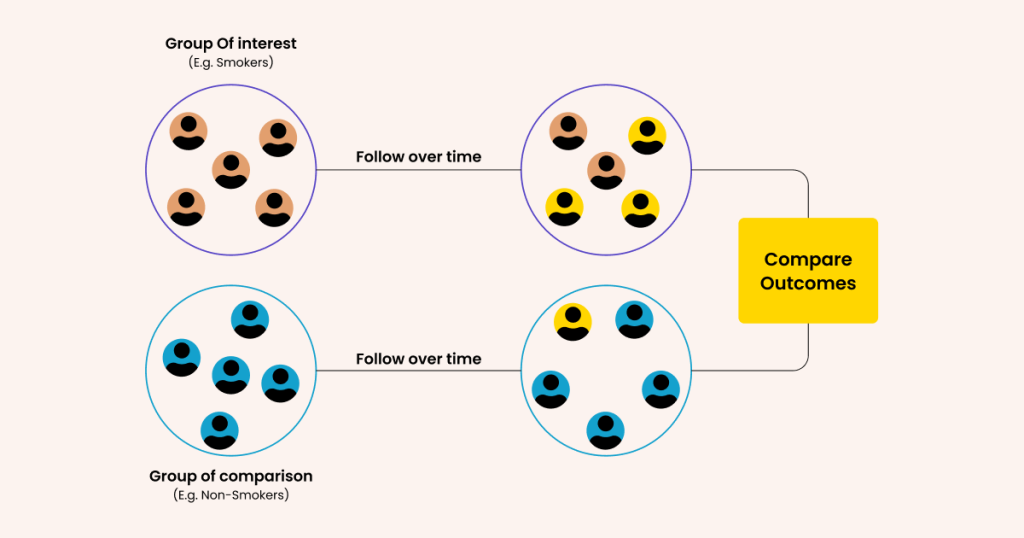
Imagine managing a garden where each patch represents customers who joined during a specific season. Some patches thrive and bloom, others fade too soon. The gardener’s task is to understand which conditions lead to lasting growth and which lead to decline. In analytics, this garden represents your user base, and cohort analysis is the careful observation that helps businesses understand how user groups evolve over time.

By tracking retention, engagement, and behaviour patterns, analysts can uncover what drives loyalty—and what silently erodes it.

Understanding Cohort Analysis

Cohort analysis divides users into groups based on a shared event or characteristic—such as signup date, campaign source, or product usage milestone—and tracks their performance over time. Unlike broad analytics that show overall trends, this approach focuses on how specific groups behave.

For example, a mobile app might discover that users who joined in January 2024 retained better than those who joined in March, prompting an investigation into marketing strategies or onboarding changes.

Professionals learning through a business analysis course in Pune often explore such segmentation techniques, understanding how to connect retention data to real business outcomes. It’s not just about numbers; it’s about discovering the story behind those numbers.

Why Retention Modelling Matters

Acquiring new customers is expensive—keeping existing ones is more sustainable. Retention modelling helps businesses predict how long users will stay engaged and what factors influence their decision to return.

Techniques such as survival analysis, churn prediction, and lifetime value modelling enable analysts to forecast user behaviour based on historical data. When combined with cohort analysis, these models provide a timeline of engagement, helping organisations allocate resources efficiently.

By understanding these metrics, analysts can help teams design personalised re-engagement campaigns, improve onboarding experiences, and develop loyalty programs that truly resonate with customers.

Measuring Behaviour Through Time

The true power of cohort analysis lies in its time dimension. Analysts track metrics like activity frequency, purchase recurrence, and feature adoption across multiple intervals—often visualised as heatmaps or line charts.

This temporal approach reveals when engagement begins to decline, allowing teams to intervene before customers churn. For example, an e-commerce company might discover that customers who don’t make a second purchase within 14 days rarely return—an insight that could inspire timely email nudges or discounts.

A strong grasp of retention metrics gained through a business analysis course in Pune equips professionals with the ability to build these insights systematically, combining quantitative rigour with strategic thinking.

The Human Side of Retention

Behind every data point is a human story—preferences, frustrations, and motivations that numbers alone can’t explain. Analysts who focus solely on metrics risk overlooking the “why” behind user behaviour.

Integrating qualitative research, such as surveys or user interviews, gives context to the patterns observed in cohort data. This human-centred approach not only improves the accuracy of retention models but also strengthens empathy in decision-making—a quality every successful business analyst should possess.

As professionals progress in their analytical journey, understanding both the quantitative and emotional drivers of loyalty becomes essential for long-term impact.

Turning Insights Into Strategy

The ultimate goal of cohort and retention analysis is not just to observe but to act. Insights derived from these models can shape marketing budgets, influence product development, and enhance customer experience strategies.

A business that knows when and why its customers disengage can proactively respond with tailored initiatives—transforming potential loss into growth. Continuous analysis ensures that no insight goes unused and that customer understanding remains dynamic in a rapidly changing marketplace.

Conclusion

Cohort analysis and retention modelling bridge the gap between observation and action. By understanding user behaviour over time, businesses can identify loyalty patterns and refine their strategies to retain more customers.

For analysts, mastering these techniques goes beyond technical skill—it’s about cultivating foresight. The ability to read between timelines and anticipate user needs makes cohort analysis one of the most valuable tools in modern business analytics.

Finding the right day care near me became a priority when my work schedule changed. My 9-year-old needed a safe place to go after school hours. The search for quality day care services requires careful planning and research.

What Makes Premium Day Care Different

Premium day care centres offer more than basic supervision for children. They provide structured activities and educational support tailored for primary school students. The best day care near me focuses on children aged 7-12 years with age-appropriate programmes.

Key Features to Look for in Day Care Services

Academic Support and Homework Assistance

Quality day care programmes include dedicated homework time with trained staff supervision. Children receive help with their assignments and projects in a quiet environment. This academic support helps maintain consistent learning habits beyond regular school hours.

Safe and Nurturing Environment

The physical space should be secure with proper safety measures in place. Staff members must be trained in first aid and child safety protocols. A welcoming atmosphere helps children feel comfortable and supported throughout their stay.

Structured Activities and Enrichment Programmes

Creative and Educational Activities

Well-planned day care programmes include arts and crafts sessions that stimulate creativity. Educational games and activities help reinforce learning concepts from school. These structured activities prevent boredom and keep children engaged productively.

Physical Activities and Outdoor Play

Active play is essential for healthy development in primary school children. Quality day care centres provide supervised outdoor activities and sports programmes. Regular physical activity helps children release energy and maintain good health.

Social Skills Development

Day care settings offer excellent opportunities for children to develop social skills. Interactions with peers help build confidence and communication abilities. Group activities teach cooperation and teamwork amongst children of similar ages.

Choosing the Right Day Care Location

Proximity and Convenience Factors

Location plays a crucial role when selecting day care near me options. The centre should be easily accessible from both home and school. Convenient pickup and drop-off times help maintain smooth daily routines.

Transportation and Safety Considerations

Some day care centres offer transportation services from local primary schools. This service reduces stress for working parents who cannot manage school pickups. Safety protocols for transportation should be clearly outlined and followed strictly.

Evaluating Day Care Quality Standards

Staff Qualifications and Training

Qualified staff members make the biggest difference in day care quality. Look for centres with trained educators who understand child development principles. Regular staff training ensures consistent care standards and professional growth.

Facility Standards and Cleanliness

Clean and well-maintained facilities reflect the overall quality of day care services. Proper hygiene practices protect children from illness and create pleasant environments. Regular cleaning schedules and maintenance show attention to detail and care.

Communication with Parents

Regular updates about your child’s activities and progress are important. Quality day care centres maintain open communication channels with parents. Daily reports and periodic meetings help parents stay informed about their child’s experience.

Making the Final Decision

Visiting Potential Day Care Centres

Schedule visits to observe the day care environment during operating hours. Watch how staff interact with children and handle various situations. Your child’s comfort level during the visit can indicate whether the centre is suitable.

Trial Periods and Gradual Introduction

Many quality day care centres offer trial periods for new families. This allows children to adjust gradually to the new environment and routines. A smooth transition helps reduce anxiety and builds positive associations with the day care.

Budget Considerations for Premium Services

Premium day care services require appropriate financial planning and budgeting. Quality programmes with qualified staff and excellent facilities command higher fees. The investment in quality day care pays dividends in your child’s development and your peace of mind.

Finding the right day care near me took time and careful consideration. The premium approach to day care ensures children receive excellent care and educational support. Quality day care services provide parents with confidence that their children are safe, happy, and continuing to learn during after-school hours.

Imagine a skilled architect drawing up detailed blueprints for a skyscraper. If those blueprints cannot be explained to builders, the structure may never rise from the ground. Data science faces the same challenge. Models, algorithms, and metrics may be mathematically sound, but without effective communication, their value is lost.

Communication in data science is the bridge between raw numbers and meaningful action. It is how insights leap off dashboards and influence boardroom strategies. Without it, the best analysis remains locked away like unread blueprints.

Why Communication is More Than Reporting

Presenting numbers is easy; making them matter is hard. A churn rate of 15% may sound alarming, but what does it mean for customer loyalty? Does it represent a short-term fluctuation or a long-term risk? Communication provides that missing context.

The ability to connect numbers to outcomes separates analysts from true storytellers. Students introduced to these skills during a data scientist course quickly realise that technical accuracy must always be paired with clarity, relevance, and audience awareness.

Translating Complexity Into Simplicity

Complex models can resemble dense forests where outsiders struggle to find the path. Communication serves as the guide, carving a trail through the undergrowth. Instead of overwhelming audiences with every coefficient or statistical nuance, the communicator highlights what matters most.

For example, rather than stating that a logistic regression produced a coefficient of -0.47, the message could be: “High debt levels reduce the chance of loan approval by almost half.” This translation respects the mathematics while making insights actionable.

The Role of Storytelling in Data Science

Numbers alone rarely inspire. Stories do. When insights are framed through narratives—whether about customer journeys, market shifts, or patient recoveries—they resonate with human decision-makers.

Visualisations, analogies, and real-world scenarios elevate data from sterile tables to compelling arguments. Case studies in a Data Science Course in Delhi often emphasise storytelling, training learners to blend charts with narratives so that audiences not only understand but also remember the insights.

Tailoring the Message to the Audience

A common mistake in data science communication is delivering the same explanation to every audience. The CEO wants to hear business impact, while engineers may care about model accuracy. Policymakers may look for ethical implications, while marketers ask about consumer behaviour.

Effective communication adapts. It’s like speaking multiple dialects of the same language—adjusting vocabulary, focus, and detail depending on who is listening. This versatility ensures insights are relevant across all levels of an organisation.

Communication as a Collaborative Tool

Strong communication is not just about presenting results but also about collaboration. It ensures business leaders, engineers, and analysts stay aligned. Clear communication turns projects into partnerships, reducing misunderstandings and encouraging joint problem-solving.

This collaboration is a key skill nurtured during a data scientist course, where group projects require learners to explain their findings in ways that both technical and non-technical peers can grasp.

Conclusion

Communication in data science is not an accessory—it is the foundation upon which decisions are built. By turning complex algorithms into digestible stories, professionals ensure that insights are not only accurate but also actionable.

Structured learning programmes, such as a Data Science Course in Delhi, highlight this skill alongside coding and modelling. After all, a model that cannot be explained might not exist. Bridging the gap between data and people is the art that transforms analysis into impact.

Business Name: ExcelR – Data Science, Data Analyst, Business Analyst Course Training in Delhi

Address: M 130-131, Inside ABL Work Space,Second Floor, Connaught Cir, Connaught Place, New Delhi, Delhi 110001

Phone: 09632156744

Business Email: enquiry@excelr.com

Kindergarten is a place of first experiences. Children meet new faces and learn many feelings. They may cry or shout when things go wrong. These moments are natural and important. Teachers guide them through these early emotions. The goal is not to stop feelings but to shape understanding. Every child learns how to name feelings and how to calm down. The classroom becomes a safe and kind space. With gentle support children can turn frustration into learning. They learn to handle ups and downs with care. This foundation builds future confidence and peace.

Building Emotional Awareness

Young children often face big emotions. They feel joy anger fear or sadness. Teachers help them notice each feeling. A child learns to say I feel sad instead of crying. This naming gives power and calm. Simple talk and stories help them see that feelings are normal. Teachers can model calm voices and soft words. When adults stay patient children copy them. Daily sharing time builds trust and comfort. A child soon finds it easier to speak up. The class becomes a small community of listeners. This habit grows strong emotional awareness early on. Best kindergarten problem solving games are useful here.

Guiding Peaceful Conflict Resolution

Conflicts happen every day in play. Children fight over toys or turns. A teacher steps in and listens. Each child shares a side of the story. The focus stays on feelings not blame. The teacher helps them find fair words. Together they think of peaceful choices. For example they can take turns or trade roles. Repeating these steps builds skill and respect. The teacher praises calm talk and gentle acts. Soon children start solving small fights alone. The class grows with less noise and more care. The lesson of peace becomes a lasting habit.

Encouraging Empathy and Respect

Empathy grows through stories and play. A story helps children see another view. Acting out feelings helps them connect. Teachers praise kind acts and soft hearts. When a child helps another they feel proud. Games that build teamwork teach respect. Sharing space and time grows patience. Teachers can use kind words for all. A gentle tone shows warmth and safety.

Creating a Supportive Environment

The space around children matters. A calm corner helps them rest. Soft lights and quiet play help peace grow. Teachers plan routines with clear signals. Predictable days bring safety and trust. Children learn what comes next with ease. Songs and stories soothe young minds gently. The teacher stays present with steady care. Support grows stronger every day. Families can join the effort at home. Shared values of love and patience link school and home. Together they raise confident and kind humans. Kindergarten then becomes a place of triumph for all.