Author

Clare Louise

Browsing

Food safety regulations in Ireland require every food business to implement a documented HACCP plan based on the internationally recognised 7 Principles of HACCP. HACCP – Hazard Analysis and Critical Control Points – is a science-based, preventive approach that identifies, evaluates, and controls food safety hazards before they reach the consumer. Whether you manage a restaurant, a food production facility, or a catering operation, understanding HACCP principles is not just best practice in Ireland – it is a legal requirement under EU Regulation (EC) No 852/2004. Start your certified training today at irish-haccp.ie.

Quick Answer – What Are the 7 Principles of HACCP?

HACCP for Hotels is a systematic food safety management framework with 7 core principles: Conduct a Hazard Analysis, Identify Critical Control Points (CCPs), Establish Critical Limits, Monitor CCPs, Establish Corrective Actions, Verify the System, and Maintain Documentation. It is mandatory for Irish food businesses under EU law.

Understanding HACCP and Food Safety Regulations in Ireland

What Is HACCP?

HACCP is a globally recognised food safety management system developed to prevent biological, chemical, and physical hazards from contaminating food at any point during production, processing, or handling. It was originally developed by NASA and the Pillsbury Company in the 1960s and has since become the gold standard in food safety worldwide.

How It Works in Ireland

In Ireland, the Food Safety Authority of Ireland (FSAI) enforces food safety law under the Food Safety Authority of Ireland Act 1998, in alignment with EU Regulation (EC) No 852/2004. This regulation legally obligates all food business operators to implement and maintain a HACCP-based food safety management system.

The system works by following a structured sequence of steps – from conducting a thorough hazard analysis right through to maintaining accurate records – to ensure every critical point in the food production chain is controlled and monitored.

Why It Matters

Non-compliance with food safety regulations in Ireland can result in prosecution, closure orders, and serious reputational damage. More importantly, a well-implemented HACCP plan protects public health. Businesses that invest in proper HACCP training and certification demonstrate a genuine commitment to food safety standards. Learn more about certified HACCP courses for your team at irish-haccp.ie.

Key Benefits of Implementing HACCP Principles

  • Legal Compliance: Implementing HACCP keeps your food business fully compliant with Irish and EU food safety law, reducing the risk of enforcement action by the FSAI or Environmental Health Officers (EHOs).
  • Reduction in Food Safety Incidents: A properly executed HACCP risk assessment identifies hazards before they cause harm, significantly reducing the risk of foodborne illness outbreaks linked to your business.
  • Improved Consumer Trust: Customers and clients are more likely to trust food businesses that hold recognised HACCP certification, particularly in catering, hospitality, and food retail sectors.
  • Structured Staff Training: HACCP implementation requires trained staff at every level. Completing HACCP Food Safety Level 1 and Level 2 training builds a culture of safety awareness across your entire workforce.
  • Operational Efficiency: Documenting critical control points and monitoring procedures often reveals inefficiencies in food handling and storage practices, leading to improved workflows and reduced food waste.
  • Audit Readiness: A documented HACCP plan keeps your business inspection-ready at all times, whether for FSAI audits, EHO visits, or third-party food safety audits.
  • Insurance and Liability Protection: Demonstrating a functioning HACCP system provides documented evidence of due diligence, which can be critical in liability and insurance claims related to food safety incidents.

Step-by-Step Process – Implementing a HACCP Plan in Ireland

Step 1: Assemble Your HACCP Team Begin by forming a multidisciplinary team with knowledge of your food processes, ingredients, and operations. Include staff from production, hygiene, and management. Ensure key team members complete HACCP Food Safety Level 1 and 2 training available at irish-haccp.ie.

Step 2: Conduct a HACCP Risk Assessment (Hazard Analysis) Identify all potential biological (bacteria, viruses), chemical (cleaning agents, allergens), and physical (glass, metal) hazards at every stage of your food process. Assess the likelihood and severity of each hazard to determine its risk level.

Step 3: Identify Critical Control Points (CCPs) Using a CCP decision tree, identify the specific points in your process where control is essential to prevent or eliminate a food safety hazard. Common CCPs include cooking temperature, chilling, and pasteurisation stages.

Step 4: Establish Critical Limits and Monitoring Procedures Set measurable critical limits for each CCP (e.g., internal cooking temperature of 75°C). Define who monitors each CCP, how often, and using what measurement tools.

Step 5: Implement Corrective Actions, Verification, and Record-Keeping Document what actions must be taken when a critical limit is breached. Regularly verify that your HACCP system is working effectively through audits and reviews. Maintain thorough records as evidence of compliance – this is a legal requirement under Irish food safety law.

Important Statistics and Industry Insights

The food safety sector in Ireland continues to evolve rapidly. According to the FSAI’s annual reports, thousands of food businesses across the country are inspected annually, with food safety management system compliance remaining a top inspection priority.

Globally, foodborne diseases affect an estimated 600 million people each year, according to the World Health Organization (WHO). In Europe, proper HACCP implementation is cited as one of the most effective tools in reducing food safety incidents at business level.

In Ireland, the hospitality and catering sector is one of the largest employers, and food safety training demand continues to grow as businesses recognise the operational and legal value of certified staff. Online HACCP training platforms, such as irish-haccp.ie, have made certification more accessible than ever, particularly for small and medium food businesses.

The shift toward digital food safety record-keeping and online HACCP training reflects a broader industry trend toward compliance efficiency without compromising quality.

Common Mistakes to Avoid in HACCP Implementation

1. Failing to Update the HACCP Plan Many businesses create a HACCP plan and never revisit it. Food processes, menus, and supplier chains change. Your HACCP plan must be reviewed whenever significant changes occur. Consequence: outdated plans fail inspections and miss newly introduced hazards.

2. Incomplete Hazard Analysis Some businesses focus only on biological hazards and overlook chemical and physical risks. A thorough HACCP risk assessment must consider all three categories across every process step.

3. Poorly Defined Critical Limits Vague limits like “cook thoroughly” are not acceptable. Critical limits must be specific, measurable, and scientifically validated (e.g., core temperature of 75°C for two minutes).

4. Inadequate Staff Training A HACCP plan is only as effective as the people implementing it. Failing to train all relevant staff – particularly frontline food handlers – is one of the most common compliance failures. Address this gap with structured HACCP Food Safety Level 1 and Level 2 certification from irish-haccp.ie.

5. Poor Record-Keeping Without accurate, up-to-date monitoring records, you have no evidence that your HACCP system is functioning. Many businesses lose enforcement cases simply because records were incomplete or not maintained correctly.

6. Ignoring Prerequisite Programmes HACCP must be supported by robust prerequisite programmes (PRPs) such as cleaning and sanitation, pest control, and supplier management. These underpin the effectiveness of your entire HACCP system.

Expert Recommendations for HACCP Success in Ireland

  • Start with certified training. Ensure all food handlers and supervisors complete HACCP Food Safety Level 1 and Level 2 training before building or reviewing your HACCP plan.
  • Use a structured HACCP plan template. Working from a recognised template – ideally tailored for Irish regulatory requirements – ensures all seven principles are covered comprehensively.
  • Engage your Environmental Health Officer early. EHOs are a valuable resource. Establishing an open, proactive relationship with your local EHO demonstrates good faith and often leads to constructive guidance.
  • Review your plan annually at minimum. Best practice in Ireland is to formally review your HACCP plan at least once per year, or whenever a menu, process, or supplier change occurs.
  • Document everything. In Irish food law, if it isn’t written down, it didn’t happen. Monitoring logs, corrective action records, and verification activities must all be maintained and accessible.
  • Consider online HACCP training for team efficiency. Online platforms like irish-haccp.ie allow staff to complete certified HACCP training at their own pace, reducing operational disruption for busy food businesses.

Frequently Asked Questions (FAQs)

1. What are the 7 Principles of HACCP? The 7 Principles of HACCP are: (1) Conduct a Hazard Analysis, (2) Identify Critical Control Points, (3) Establish Critical Limits, (4) Establish Monitoring Procedures, (5) Establish Corrective Actions, (6) Establish Verification Procedures, and (7) Establish Record-Keeping and Documentation.

2. Is HACCP a legal requirement in Ireland? Yes. Under EU Regulation (EC) No 852/2004 and enforced by the FSAI, all food business operators in Ireland are legally required to implement a HACCP-based food safety management system.

3. What is a HACCP risk assessment? A HACCP risk assessment is the process of identifying all potential biological, chemical, and physical hazards in your food process and evaluating the likelihood and severity of each hazard to determine appropriate control measures.

4. Who needs HACCP training in Ireland? Anyone working in a food business in Ireland – from kitchen staff and food handlers to supervisors and managers – should hold appropriate HACCP food safety training. HACCP Food Safety Level 1 is suitable for all food handlers; Level 2 is aimed at supervisors and managers.

5. How long does a HACCP certification last in Ireland? There is no fixed legal expiry, but best practice recommends refreshing HACCP training every three years, or sooner if your processes or legislation change significantly.

6. Can I complete HACCP training online in Ireland? Yes. Fully accredited online HACCP courses are available through irish-haccp.ie, allowing food business staff across Ireland to achieve certification conveniently and cost-effectively.

7. What is the difference between HACCP Level 1 and Level 2? HACCP Food Safety Level 1 is designed for frontline food handlers and covers basic food hygiene and hazard awareness. Level 2 is aimed at supervisors and managers and covers the full HACCP plan development, implementation, and monitoring process in greater depth.

8. What happens if a food business fails to implement HACCP in Ireland? Non-compliance can result in improvement orders, closure orders, prosecution, and significant fines under Irish food safety legislation enforced by the FSAI and Environmental Health Officers.

9. What is the role of the FSAI in food safety in Ireland? The Food Safety Authority of Ireland (FSAI) is the statutory body responsible for enforcing food safety law in Ireland. It provides guidance, conducts audits, and takes enforcement action against non-compliant food businesses.

10. How do I build a HACCP plan for my food business in Ireland? Start by completing certified HACCP training, then follow the seven HACCP principles: conduct a hazard analysis, identify CCPs, set critical limits, establish monitoring and corrective actions, verify your system, and maintain records. Guidance and training resources are available at irish-haccp.ie.

Conclusion

Understanding and implementing the 7 Principles of HACCP is fundamental to operating a safe, legal, and reputable food business in Ireland. Food safety regulations in Ireland are clear: every food business operator must have a functioning, documented HACCP plan in place.

The key takeaway is this – HACCP is not a bureaucratic formality. It is a practical, science-based system that protects your customers, your staff, and your business. A robust HACCP plan, supported by certified training and accurate record-keeping, is the foundation of sustainable food safety management.

Every year, lakhs of medical aspirants appear for the NEET examination with the dream of getting admission to a top medical college. But the most common question students ask after the exam is, “What will my NEET rank be?” Knowing your expected rank is a lot more important, as it helps you assess the chances of getting admission to your desired college, shortlist colleges, and prepare well for the counselling process.

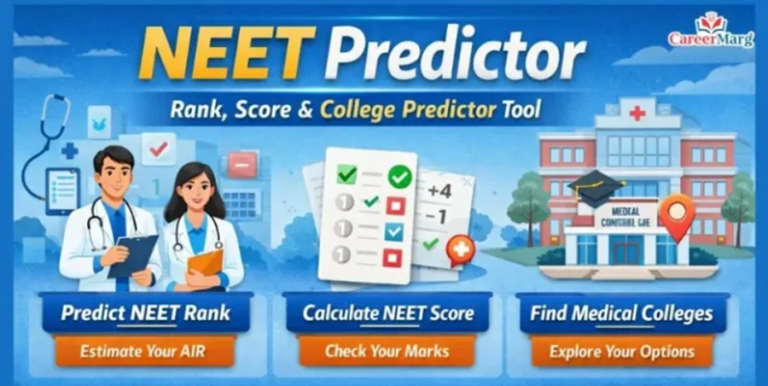
Aspirants can predict their NEET rank even before the results using NEET rank predictor, it will give them a fair idea about their chances of getting admission in a medical college. They can get an analysis of your expected score, previous-year cutoffs, and rank trends to make an informed decision and create a realistic college preference list.

Why Is NEET Rank and College Prediction Important?

NEET rank is very important for determining admission opportunities to MBBS, BDS, AYUSH, and other medical programs in India. Your score indicates your performance on the examination. Your rank indicates your performance relative to other candidates.

Accurate NEET rank estimation helps the students:

  • Know their admission possibilities.
  • Locate appropriate medical colleges.
  • Prepare for Counselling and Seat Allotment.
  • Compare expected scores with trends from previous years.
  • Reduce uncertainty and plan ahead confidently.

Instead of waiting for official results, students can begin researching colleges and admission requirements early with rank prediction.

With the help of a NEET College Predictor, you can identify medical colleges that match your expected NEET rank and score. The tool helps you create a personalized list of MBBS, BDS, and other medical colleges based on previous years’ cutoff trends. By shortlisting colleges in advance, you can make informed counselling decisions and improve your chances of securing admission to the right medical college.

How Is NEET Rank Determined?

The National Eligibility cum Entrance Test (NEET) rank is calculated based on:

Total Marks Obtained

Candidates are awarded:

  • +4 marks for every correct answer
  • -1 mark for every incorrect answer
  • 0 marks for unanswered questions

The total score is calculated out of 720 marks.

Candidate Performance

Since NEET is a highly competitive examination, your rank depends not only on your marks but also on how other candidates perform.

Tie-Breaking Criteria

When multiple candidates score identical marks, ranking authorities apply tie-breaking rules based on:

  • Higher Biology marks
  • Higher Chemistry marks
  • Fewer incorrect answers
  • Other criteria specified by the examination authority

These factors collectively determine the final All India Rank (AIR).

How to Estimate Your NEET Rank Before Results?

Students can estimate their rank by analyzing their expected score and comparing it with historical rank data.

Step 1: Calculate Your Expected NEET Score

After the release of the answer key, calculate your probable score using the official marking scheme.

For example:

  • Correct Answers: 150
  • Incorrect Answers: 20

Score Calculation:

  • 150 × 4 = 600
  • 20 × 1 = 20

Expected Score = 600 – 20 = 580

Having an estimated score provides the foundation for rank prediction.

Step 2: Compare Previous Year Rank Trends

Historical data often provides a useful benchmark for estimating ranks.

However, the rank for a given score is not fixed and varies each year depending on the difficulty level and candidates’ performance. However, the data from previous years helps the students to know the approximate rank range associated with a particular score.

Step 3: Use NEET Rank Predictors

Many educational platforms offer rank prediction tools that estimate your probable rank based on:

  • Expected NEET percentile
  • Previous year rank trends
  • Analysis of the level of difficulty
  • Candidate participation data

These tools provide students with a preliminary estimate that can assist in college planning and counselling preparation.

Factors That Affect NEET Rank Prediction Accuracy

While rank prediction tools are useful, several factors influence the final rank outcome.

Number of Candidates Appearing

A higher number of test-takers increases competition and may affect rank distribution.

Exam Difficulty Level

If the exam is easier than previous years, more students may score high marks, resulting in higher competition at the top ranks.

Conversely, a difficult paper can shift rank ranges downward.

Performance of Top Scorers

The distribution of high-scoring candidates significantly impacts overall ranking trends.

Category-Wise Reservation

Admission opportunities differ based on reservation categories, making category-wise rank analysis important during counselling.

Because of these variables, rank predictions should be considered estimates rather than exact outcomes.

How to Choose the Right Medical College After Predicting Your Rank

Once you have an estimated rank, the next step is identifying suitable medical colleges.

Choosing a medical college should be more than just aiming for the top-ranked college.

Consider Your Expected Admission Range

Shortlist colleges where your predicted rank aligns with previous admission cut-offs.

Create three categories:

Dream Colleges

Institutions where admission may be competitive but still possible.

Target Colleges

Colleges where your predicted rank comfortably matches previous cut-offs.

Safe Colleges

Institutions where your rank is significantly better than previous admission requirements.

This balanced approach improves admission chances during counselling.

Conclusion

NEET Rank Predictor is a vital step in your medical admission process. You can predict your chances of admission by calculating your expected score, looking at trends in previous-year ranks, and using reliable rank prediction tools. But rank prediction isn’t a formulaic solution—it’s a strategic planning tool.

Once you have an estimated rank, then focus on choosing medical colleges that match your academic profile, budget, career goals, and preferred learning environment. A careful selection of the college and thorough preparation for counselling will help you to maximise your chances of getting admission in a medical college that will nurture your aspirations and your future success in the healthcare profession.

This guide explores the essential components of pre-primary success, from school readiness markers to sensory-rich classrooms, helping families choose a path that nurtures their child’s natural curiosity.

The transition from the home to a formal school environment is one of the most significant milestones in a child’s life. This “pre-primary” stage, encompassing nursery and kindergarten, serves as the critical bridge where children learn the foundational skills needed for academic success and social integration. In Nagpur, the focus on kindergarten education has shifted toward creating inclusive, child-centred environments that respect each individual’s unique developmental pace. By providing a balanced mix of structured activities and free play, these schools ensure that children develop a love for learning that will sustain them throughout their academic careers.

With the city’s rapid development, the options for quality early education in Nagpur have expanded to include both traditional institutions and modern, bilingual learning centres. These schools prioritise the development of “school readiness” the combination of cognitive, social, and motor skills needed to thrive in a Grade 1 classroom. For many families, the search for the perfect kindergarten involves looking for a school that offers a safe, hygienic, and intellectually stimulating environment.

Defining the Kindergarten Success Framework

A high-quality pre-primary classroom is an intentional space where every activity serves a developmental purpose. Parents evaluating the best kindergarten in Nagpur should observe how the environment facilitates independence and curiosity.

The Developmental Impact of Classroom Activities

What Parents See

What It Develops in the Child

Calm Routines

Emotional security and self-regulation

Songs & Storytelling

Language acquisition and memory skills

Art & Craft Time

Fine motor skills and creative confidence

Circle Time

Social awareness and peer cooperation

Counting Games

Early numeracy and logical thinking

Outdoor Free Play

Physical coordination and body control

Teacher as Guide

Independence and curiosity-driven learning

The Critical Role of Kindergarten in Development

The kindergarten years are a period of rapid linguistic and cognitive growth. High-quality primary schools in Nagpur with an integrated pre-primary wing ensure a seamless, stress-free transition. In 2026, the focus is on building “phonemic awareness” the ability to hear and manipulate sounds, alongside a sense of personal responsibility.

Essential “School Readiness” Markers for Grade 1

For a successful transition, top-tier Nagpur programmes focus on these core competencies:

  • Cognitive Persistence: The ability to stay engaged with a task, such as a puzzle or a drawing, for at least 10-15 minutes.
  • Social Navigation: Learning how to enter a playgroup, share resources, and use words to resolve minor peer conflicts.
  • Self-Help Skills: The independence to manage personal belongings, use the restroom, and handle basic hygiene without constant assistance.
  • Instructional Fluency: Understanding and following two-step instructions (e.g., “Please pick up the blocks and put them in the blue bin”).

Developing Motor Skills and Artistic Expression

Fine motor development is a key focus of the pre-primary years, as it is the foundation for writing and drawing. Leading schools utilise activities like beading, paper-tearing, and finger-painting to strengthen the small muscles in a child’s hands.

The Connection Between Art and Logical Growth

Artistic exploration in kindergarten is more than just a creative outlet; it is a cognitive exercise:

  • Spatial Reasoning: Designing a collage or a clay model helps children understand depth, size, and orientation.
  • Cause and Effect: Experimenting with colour mixing or different brush strokes teaches children how their actions change the environment.
  • Aesthetic Confidence: Encouraging diverse artistic mediums fosters the problem-solving mindset needed for “thinking outside the box” in later life.

Social Integration and Conflict Resolution

One of the most important lessons learned in kindergarten is how to interact respectfully with others. Teachers play a vital role in modelling positive social behaviour. By learning how to resolve conflicts through dialogue and compromise, children develop the emotional intelligence needed for a harmonious social life. This focus on “character building” is what defines the most successful programmes.

Building Early Literacy and Numeracy

The pre-primary years are the time when the seeds of literacy and numeracy are planted. Instead of traditional worksheets, the best schools use “print-rich” environments and “math-talk” to introduce symbols and numbers. This conceptual approach ensures that children develop a deep and intuitive understanding of these core subjects before they reach the more formal primary grades.

Safety, Health, and Nutrition in Early Years

For parents, safety is paramount. Reputable schools maintain high standards of hygiene and provide child-safe infrastructure, with rounded furniture and non-toxic play materials. Regular health check-ups and a focus on personal hygiene teach children the importance of caring for their bodies. This comprehensive approach ensures that children are physically ready to handle the demands of a full school day.

Key Takeaways

  • Pre-primary years form the emotional and cognitive bridge between home and formal schooling.
  • School readiness includes persistence, independence, instruction-following, and peer interaction.
  • Play-based and structured routines must coexist for balanced early development.
  • Print-rich classrooms and phonemic awareness activities build strong literacy foundations.
  • Early numeracy grows through counting games, pattern recognition, and daily math conversations.
  • Fine motor development directly impacts writing confidence in primary grades.
  • Social conflict resolution skills build long-term emotional intelligence.
  • Safe, hygienic, child-friendly infrastructure is non-negotiable in early years education.
  • Observational assessments are more developmentally appropriate than formal testing.
  • A strong kindergarten foundation ensures a smoother transition into structured systems, such as the Central Board of Secondary Education curriculum, in later grades.

FAQs:

At what age is it ideal to start nursery or kindergarten in Nagpur?Most children begin nursery around 2.5 and 3 years and kindergarten between 3.5 and 5.5 years, but the best choice depends on your child’s language, social comfort, and independence skills.

How do I choose the best pre-primary or kindergarten school in Nagpur?Look for a safe, hygienic campus, trained early-years teachers, sensory-rich classrooms, a strong play-based routine, and a clear focus on school readiness (language, motor skills, social skills, and independence).

How do good kindergarten schools build early literacy without pressure?They use print-rich classrooms, storytelling, phonics readiness, rhymes, and conversation-based learning that improves phonemic awareness without over-relying on worksheets.

What safety, hygiene, and health standards should parents check in a kindergarten?
Prioritise child-safe furniture, non-toxic materials, clean washrooms, secure entry/exit, trained staff, first-aid readiness, and a visible routine for hygiene and health check-ups.

The laughter of children slicing through the air on a fresh set of swings is often the heartbeat of a vibrant community park. As parks evolve to serve wider, more diverse audiences, upgraded playground swing sets are at the forefront of creating safer, more inclusive, and more imaginative outdoor spaces.

What Makes Upgraded Playground Swing Sets Different from Traditional Ones?

Stroll through a modernized park, and it quickly becomes apparent that playground swings are no longer just a seat and chains. The latest swing sets blend innovative engineering with thoughtful design, offering experiences that go far beyond nostalgia.

Innovative Designs and Materials

Today’s swing sets use high-density plastics, weather-resistant metals, and advanced coatings that withstand the elements and heavy use. Modular designs allow for creative layouts, including multi-user swings and swings for toddlers and older children side by side.

Enhanced Safety Features

Safety is paramount in new installations. Unlike older all-metal swings, contemporary sets often come equipped with soft-grip chains, impact-absorbing seats, and strategic spacing that reduces collision risk. Many also feature rounded corners and tamper-resistant hardware.

Inclusive and Accessible Swing Options

The movement toward accessibility means playgrounds are finally reflecting the makeup of the communities they serve. Swings now include high-back seats, harness swings, and platforms designed for wheelchair access, ensuring children of all abilities can participate.

How Do Upgraded Swing Sets Improve Community Park Experiences?

A well-chosen swing set is more than a playground fixture; it becomes a catalyst for movement, laughter, and connection.

Encouraging Physical Activity Across All Ages

Swings motivate kids to run, push, leap, and collaborate. For many, the rhythmic motion builds balance, strength, and coordination. Multi-generational swing options let parents, grandparents, and children share in the joy, turning simple play into family tradition.

Fostering Social Interaction and Community Bonding

Swings often act as gathering spots for children, parents, and caretakers. Side-by-side designs encourage parallel play, conversation, and teamwork. These informal connections quietly strengthen community ties and help kids develop social skills.

Stimulating Imaginative and Sensory Play

Modern swing sets are not just functional; they inspire creativity. Sensory elements like musical attachments, textured grips, and movement-based challenges turn a basic back-and-forth into a multisensory adventure.

What Are the Key Considerations When Selecting Swing Sets for Community Parks?

Picking a swing set for a public space is not a one-size-fits-all decision.

Assessing Age Range and User Needs

Understanding who will use the park is essential. A successful playground might feature swings for toddlers, inclusive swings for children with disabilities, and high-flying swings for older kids, all in one cohesive area.

Compliance with Accessibility Standards and Regulations

Cities must prioritize inclusivity and legal compliance. Following guidelines like Ontario’s accessibility standards ensures everyone is welcome and safe.

Durability and Maintenance Requirements

Public swings face constant use and abuse. Opting for durable, low-maintenance materials pays off, as does planning for regular inspections and quick repairs to keep equipment safe.

How Can Upgraded Swing Sets Support Accessibility and Inclusivity?

Accessibility is no longer optional; it’s a cornerstone of modern playground design.

Features That Accommodate Children with Disabilities

Accessible swing sets include adaptive seats, transfer platforms, and soft, level surfacing for wheelchairs. These features open up play opportunities for children who once watched from the sidelines.

Examples of Successful Accessible Playground Installations

Projects in Toronto and Newmarket highlight how thoughtful design delivers results. Parks like George Richardson and West Rouge have become destinations for children with and without disabilities to play together seamlessly.

The Role of Sensory and Musical Play Elements

Beyond motion, playgrounds can engage other senses. Musical panels and textured surfaces welcome children with sensory processing needs, making the space more dynamic and inclusive.

What Are the Environmental and Safety Standards to Follow?

Safe, sustainable playgrounds require careful planning and ongoing attention.

Importance of Safe Surfacing and Fall Protection

A swing is only as safe as the ground beneath it. Engineered wood fiber, poured rubber, or turf protect kids from injury and comply with modern fall-height standards.

Use of Sustainable and Eco-Friendly Materials

Many new swing sets incorporate recycled plastics and metals, reducing their carbon footprint while maintaining durability.

Regular Inspection and Upkeep Protocols

Routine checks for wear, vandalism, and debris keep swings safe and extend their lifespan, ensuring long-term value for the community.

How Can Communities Fund and Support Playground Upgrades?

Upgrading playgrounds is a community effort, and there are more funding avenues than many realize.

Grant Opportunities and Government Programs

Municipal, provincial, and federal grants support accessible and sustainable playground projects. Researching these options can make a big difference to a community’s fundraising goal.

Community Fundraising and Partnerships

Bake sales, charity runs, and local sponsorships bring neighbors together and foster a sense of ownership over the new playground.

Collaborating with Local Schools and Organizations

Working with schools and nonprofits can expand the reach and impact of a playground project, sharing resources and expertise.

What Impact Have Recent Upgraded Playground Projects Had on Neighborhoods?

Toronto and Newmarket offer compelling case studies on the value of investing in modern swings.

Case Studies from Toronto and Newmarket Parks

New installations at parks such as Crestwood, E.J. Sands, and Greystone have revitalized underused spaces, drawing families from across the city.

Feedback from Families and Local Residents

Parents report feeling more comfortable in parks where swings are safe and accessible. Children form new friendships, and the parks see more frequent use.

Measurable Improvements in Park Usage and Safety

Many parks have documented increased visitor numbers and a drop in playground accidents after upgrades, reflecting both improved design and better maintenance.

How to Plan and Implement a Playground Swing Set Upgrade?

Success requires vision, collaboration, and follow-through.

Steps to Engage Stakeholders and Gather Input

Early input from children, parents, and accessibility advocates leads to better outcomes and greater community satisfaction.

Selecting the Right Vendor and Product

Choosing experts like those behind Inspire Play playground swings can ensure that the equipment meets both the community’s unique needs and the highest safety standards.

Project Timeline and Installation Best Practices

Clear milestones, from design and fundraising to installation and inspection, help minimize delays and maximize long-term benefit.

When the right swing set rises in a neighborhood park, it’s more than a new piece of equipment. It’s a signal that the community values play, inclusion, and the shared joy of childhood. Upgrading swings can be the spark that transforms a park into a thriving hub of activity for years to come.

A long wait for your CDL road test can feel like watching a green light that never turns. For many aspiring truck drivers, every extra week spent waiting is a week without a paycheck, a new career, or a sense of progress. Thankfully, shorter refresher courses are changing the game, cutting down the timeline and helping drivers get on the road quickly, confidently, and with the skills to succeed.

Why Choose a Shorter Refresher Course for Your CDL Road Test?

Traditional full-length CDL training often takes several weeks, with hours devoted to classroom work, hands-on practice, and industry basics. But not every driver needs to start from square one. Shorter refresher courses are designed for those who already have a CDL permit or previous experience but need to brush up on skills before the big test.

The appeal is simple: why spend more time (and money) than you need? Refresher courses offer focused, targeted preparation, zeroing in on the exact skills drivers need to pass the road test or regain confidence after time away from the wheel.

What Are the Benefits Compared to Full-Length Training?

Speed is the most obvious advantage. Most comprehensive CDL courses take three weeks or more, but refresher programs can be completed in just one or two weeks. This means less time away from work and life commitments, plus a faster path to earning.

Cost follows closely behind. Shorter courses generally mean lower tuition, especially since you are only paying for the instruction you need, not for introductory lessons you have already mastered.

Flexibility is another perk. Many schools schedule refresher courses on an accelerated or weekend basis, fitting into the busy lives of working adults.

Who Is the Ideal Candidate for a Refresher Course?

Refresher courses are not for everyone. They shine for individuals with:

– A valid CDL permit but not yet licensed

– Previous truck-driving experience (even if it was years ago)

– An expired CDL looking to return to the profession

– Confidence with basic trucking skills but in need of recent practice

If you are completely new to trucking, a full-length course is still the best fit. But if you fall into one of these categories, a focused refresher may be all it takes.

How Do Shorter Refresher Courses Fit Into the CDL Licensing Timeline?

Applying for a CDL is rarely a linear sprint. Testing backlogs at the DMV mean you might be waiting two or three weeks for a road test slot. That delay can feel endless, especially if you are anxious to start earning. Refresher courses fit perfectly into this waiting period, transforming downtime into valuable practice and skill-building.

How Can They Help You Beat Long DMV Wait Times?

Some training schools are certified to conduct on-site testing, bypassing long DMV lines altogether. For example, students can enroll in DTR School of Trucking CDL classes, where state-certified examiners are available. This setup lets you complete your course and take your test nearly back-to-back, often shaving weeks off your licensing process.

What Is the Typical Duration and Schedule of These Courses?

Refresher courses are designed to be short and intensive. At DTR School of Trucking, options include:

One-week refresher: For experienced drivers who need minimal re-training

– Two-week refresher: For those with a CDL permit who want extra time to practice and polish their skills

Classes often run on weekdays, but some schools offer weekend options, especially for those with daytime jobs or other commitments.

What Skills and Knowledge Does a Shorter Refresher Course Focus On?

Shorter courses do not waste time on basics you already know. Instead, they dive straight into the make-or-break skills that appear on the CDL road test and in real-world driving scenarios.

Key Areas: Pre-Trip Inspection, Backing, and Driving Skills

Three core skills dominate refresher training:

– Pre-trip inspection: Reviewing the vehicle checklist, identifying safety concerns, and learning to spot issues before they become problems.

– Backing maneuvers: Precision when reversing, including straight-line backing, offset backing, and alley docking.

– On-road driving: Navigating city streets, highways, turns, and intersections with confidence and safety.

How Hands-On Practice Accelerates Learning

Rather than sitting in a classroom, students spend most of their time on the range and on the road. This practical approach means muscle memory, quick thinking, and real-world problem-solving get sharpened, reducing anxiety when it is time for the actual test.

How Does Previous Experience Impact Your Refresher Course Choice?

Not all refresher students start from the same place. Some have been off the road for years, others just need a quick brush-up. The best training schools assess your current skills and tailor the program accordingly.

Options for Experienced Drivers vs. New Permit Holders

– For experienced drivers who have held a CDL or worked in trucking, a one-week refresher is often enough. The focus is on rebuilding confidence and updating any lapsed habits.

– For new permit holders who have studied but lack hands-on practice, a two-week course provides enough time to consolidate knowledge, ask questions, and perfect tricky maneuvers.

Tailoring Training to Your Skill Gaps

Good instructors begin by evaluating your strengths and weaknesses. Struggling with parallel parking or nervous about highway merging? Your course can be adjusted to spend more time in those areas, ensuring you are test-ready.

What Does a Typical One-Week or Two-Week Refresher Course Look Like?

Each day in a refresher course is purposeful and structured to maximize your learning in a short time.

Breakdown of On-Range and On-Road Training

A sample schedule might look like this:

| Day        | Morning (Range)                         | Afternoon (On-Road)                  |

|————|—————————————-|————————————–|

| Monday     | Pre-trip inspection practice           | Local road driving                   |

| Tuesday    | Backing maneuvers                      | Highway driving, lane changes        |

| Wednesday  | Advanced backing, alley dock           | Turning, shifting, city navigation   |

| Thursday   | Mock test on range                     | Realistic test-drive scenario        |

| Friday     | Final review, targeted practice        | Test or mock test                    |

Balancing Classroom Instruction and Practical Experience

Classroom time is minimal in a refresher course, focusing only on updated regulations, test requirements, or any knowledge gaps observed during hands-on practice. Most time is spent behind the wheel.

How Do Refresher Courses Improve Confidence and Test Readiness?

Stepping into a DMV test without recent hands-on driving is a recipe for nerves. Refresher courses provide safe, guided practice so that test day feels like just another drive.

Realistic Practice Scenarios That Mirror the Road Test

Instructors simulate test conditions, from the pre-trip inspection checklist to the precise backing exercises you will face on exam day. By the time you arrive at the testing site, you know exactly what to expect.

Techniques for Reducing Test Anxiety and Mistakes

Intensive practice breeds familiarity, which leads to calm under pressure. Instructors also teach strategies for managing nerves and recovering from minor mistakes, so a single slip does not derail your entire test.

What Makes a CDL Training School Stand Out for Refresher Courses?

Not all training is created equal. The right school can make a world of difference in your preparation, confidence, and ultimate success.

Importance of Certified Instructors and State-Approved Testing

Certified instructors know the latest regulations and understand the art of teaching adults efficiently. Schools that offer state-approved testing on-site let you avoid the unpredictable DMV waitlist, turning practice into progress without delay.

Flexible Scheduling and Support Services

Look for schools that offer evening or weekend classes, easy scheduling through apps, and staff who care about your success. Testimonials from graduates who landed jobs quickly or felt truly supported can be a powerful indicator of program quality.

How to Maximize Success After Completing a Refresher Course

Finishing the course is a major milestone, but your journey does not end there.

Booking Your Road Test Sooner

If your school has on-site state examiners, schedule your test immediately after completing training. If not, keep in close contact with the DMV and be ready to take any last-minute openings.

Continuing Skill Development Beyond the Course

Passing the road test is just the beginning. Commit to regular practice, review new regulations, and seek out advice from veteran drivers. Every mile on the road is a chance to learn and improve.

A shorter refresher course is more than just a time-saver, it is a focused launchpad designed to get you behind the wheel and on your way to a new career. By choosing a program that matches your experience and needs, such as DTR School of Trucking CDL classes, you can transform anxiety and downtime into real progress, passing your road test faster and with greater confidence. The road ahead is waiting.


Submitting multi-page homework online has become a normal part of student life, especially in classrooms that rely on digital platforms like Google Classroom, Canvas, Schoology, and Moodle. While digital assignment submission brings convenience, it also introduces challenges—especially when students must upload multiple pages, handwritten solutions, scanned sheets, or mixed-format materials.

Without careful preparation, students risk submitting files out of order, missing pages, or creating confusing attachments for teachers. This is why using tools to Merge PDF files, standardizing formats, and organizing digital work are now considered essential academic skills.

1. Why Multi-Page Homework Requires Extra Attention

Multi-page assignments often include a mixture of:

  • Handwritten notes photographed or scanned
  • Typed responses
  • Diagrams or charts
  • Teacher-provided worksheets
  • Supplemental readings
  • Practice exercises

If submitted as separate files, these pieces can easily become disorganized. Teachers prefer a single, unified document that flows logically from page to page—similar to how physical homework was once stapled together.

2. Take Clear, High-Quality Photos of Handwritten Work

Many students use their phones to capture handwritten work. Poor photo quality is one of the most common reasons teachers struggle to grade online submissions. To avoid this, students should:

  • Use good lighting—preferably natural daylight
  • Hold the camera steady or use a scanning app
  • Ensure the entire page is visible (no cut-off corners)
  • Avoid harsh shadows from overhead lighting
  • Keep handwriting dark and legible

Mobile scanning apps can automatically crop, brighten, and flatten pages, making them easier to read. These pages can then be saved as PDFs and merged using simple tools like Merge PDF.

3. Convert All Files to PDF Before Uploading

Teachers often receive submissions in multiple formats—JPG, PNG, DOCX, and even HEIC (iPhone image format). These inconsistencies create problems when grading, since not all formats can be opened easily on school computers.

PDF is the universal academic format because it:

  • Displays consistently across devices
  • Is easy to annotate with digital tools
  • Maintains page order and layout
  • Supports multi-page documents

Converting everything to PDF ensures that teachers can open the file quickly and grade efficiently.

4. Merge Your Pages into One Clean Document

Once photos, scans, and typed pages are prepared as PDFs, students should combine them into a single file. This prevents confusion during grading and ensures all materials stay together.

Using a browser-based tool such as Merge PDF makes it easy to combine:

  • Worksheets
  • Notes
  • Solutions
  • Graphs and diagrams
  • Supplementary pages

This step alone reduces submission errors by more than half.

5. Arrange Pages in the Correct Logical Order

Page order matters. Teachers rely on smooth progression to understand your reasoning, especially in subjects like math and science.

Students should arrange pages like this:

  • Page 1: Title or cover page (optional)
  • Page 2: Instructions or worksheet header
  • Page 3+: Solutions, diagrams, and supporting work

Some teachers request that students number their pages, which helps maintain order even after merging.

6. Review Your Final PDF Before Uploading

Before pressing “Submit,” students should always check:

  • Are all pages included?
  • Are photos upright (not sideways)?
  • Is every page readable?
  • Does the page order make sense?
  • Is the file name clear and professional?

Common problems like sideways pages or missing sheets can cost students points—problems easily avoided by a 15-second review.

7. Use Consistent File Names

Teachers appreciate clearly labeled submissions. Instead of uploading files named IMG_5734.JPG, students should use names like:

  • John_Doe_Math_Homework_Unit5.pdf
  • SaraLee_BiologyLab_Report1.pdf

Clear file naming helps teachers quickly identify students’ submissions, especially in large classes.

8. Compress PDFs When Necessary

Some learning platforms have file size limits—often 10–25 MB. High-resolution photos can easily exceed this if not compressed.

Students can use online compression tools or scanning apps that offer “low/medium/high quality” export options.

9. Submit On Time and Keep a Backup Copy

Even with clean formatting, multi-page submissions must be uploaded before the deadline. Students should always save a backup copy:

  • On their computer
  • In cloud storage (Google Drive, OneDrive)
  • On their phone if needed

If a teacher cannot open the file or the submission fails, having a backup prevents late penalties.

10. Final Thoughts: Digital Homework Requires Digital Skills

Submitting multi-page homework online is easy—if students prepare their documents properly. The shift from paper-based assignments to digital submissions means students must develop strong file organization skills to succeed academically.

By learning to convert, prepare, and Merge PDF files using tools like PDFmigo.com, students can submit professional, organized, and complete homework submissions every time.

According to industry reports and experts, cloud computing is trending for its competitive career opportunities. If you check for high-paying jobs in Pune and other global regions, cloud specialists are trending now and then. However, a lack of industry knowledge and expensive course fees have limited many techies. Learners willing to land promising roles in Cloud and DevOps face financial challenges. The cloud computing courses in Pune fees create odd situations for techies with limited career opportunities. Hence, having a clear and concise understanding of the latest fee structure is essential for techies. 

This informational guide will help you understand the course fee structure to gain real-time insights. 

Cloud Computing Course in Pune: Is It a Smart Career Investment? 

Yes. Techies willing to redefine their careers and land rewarding jobs must plan strategically. Cloud computing learning is essential for techies to explore major, high-paying roles with top companies. As the risks of cybercrimes increase, the demand for cloud computing specialists skyrockets. Hence, career investment in cloud computing is justified. 

Indeed, the cloud computing course fees in Pune have become a major concern for many tech professionals. The hefty fees limit techies from investing in beneficial courses and upgrading their skills according to industry requirements. However, it is a smart career investment for professionals to retain their positions and lead a competitive future. 

Pune has become a prime destination for the majority of startups and MNCs from diverse domains. In addition, lots of companies are shifting their base to cloud-driven solutions and frameworks. Now, this creates a huge demand for skilled cloud experts or specialists with attractive opportunities. Hence, techies must reconsider their career paths and switch to cloud computing. 

Insights Into Cloud Computing Course Fees in Pune

Pune provides an open learning stage for tech professionals to master cloud computing basics and advanced concepts. It empowers techies to follow the industry trends and prepare themselves for a brighter future. Here, techies can choose their ideal courses that will best suit their career goals. 

  • Foundational Cloud Computing Courses

Foundational learning is essential to dive deeper into the basics and understand future growth possibilities. These courses provide a basic and foundational understanding of cloud computing tools, platforms, and applications. These courses are beneficial for freshers who are willing to take the first career step. Such courses cost you very little, within the range of INR 15,000 – 35,000. 

  • Advanced Cloud Computing Courses

Advanced cloud computing skills are proven to be a better investment than generic ones. It empowers experts with the ability to face digital intricacies and unethical cases. Experienced tech professionals with over 3 years of experience can enroll in these programs. It empowers learners with advanced cloud computing skills to tackle industry challenges. Experts can complete these courses within 6 months, building lucrative tech careers. Such courses cost you between INR 60,000 – 1,20,000. 

  • AWS/GCP/Azure Certification Programs in Cloud Computing

Today’s rapidly evolving tech hubs demand certified cloud computing experts to tackle challenging cases. Cloud computing has become a strong weapon to fight against the emerging data threats. Hence, professionals must search for courses that enable them to work on any cloud computing platform. Such programs are trending in Pune, empowering techies with skills to land promising roles. You can invest up to INR 60,000 to complete the course within 4 months. 

Indeed, investing in a cloud computing course in Pune is career-worthy for tech professionals. It is a smart career investment that will equip you with promising growth and stability in the long run. 

Key Factors that Influence Cloud Computing Course Fees in Pune

  • Certifications 

Techies can enroll in the industry’s best cloud computing courses to earn valuable credentials. These certifications empower techies to tackle challenging cases and rise beyond tech innovations. Earning valuable certifications can help techies land promising cloud careers. 

  • Cloud Labs for Projects 

Techies can work on live cloud computing projects at innovation labs. Working under cloud settings will empower you to know how it works. Techies can enhance their knowledge base and gain real-time insights into the cloud-based cases. 

  • Placement Services

No wonder cloud computing learning is essential for experts to decode industry intricacies and land ideal roles. However, you must check if the course provides placement assistance before investing in that. Learning with placement opportunities can help you reach a competitive edge. 

End Notes…

Certainly, cloud computing learning has become essential for techies to explore attractive career opportunities. Hence, techies opt for upskilling without rethinking about cloud computing courses in Pune fees. This informational guide will help you go through various cost ranges and choose the ideal one. Join a promising course and unfold exciting career opportunities. 

Imagine managing a garden where each patch represents customers who joined during a specific season. Some patches thrive and bloom, others fade too soon. The gardener’s task is to understand which conditions lead to lasting growth and which lead to decline. In analytics, this garden represents your user base, and cohort analysis is the careful observation that helps businesses understand how user groups evolve over time.

By tracking retention, engagement, and behaviour patterns, analysts can uncover what drives loyalty—and what silently erodes it.

Understanding Cohort Analysis

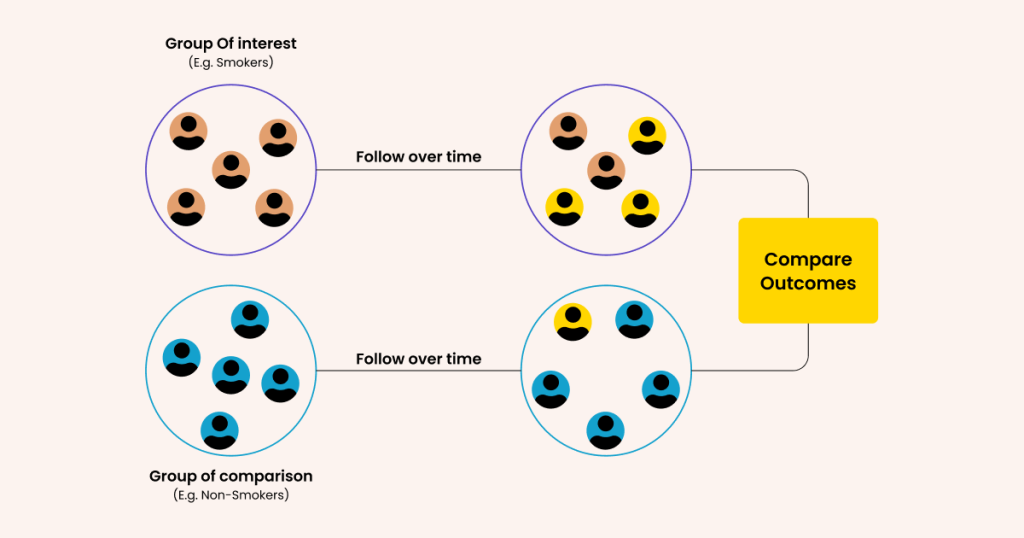
Cohort analysis divides users into groups based on a shared event or characteristic—such as signup date, campaign source, or product usage milestone—and tracks their performance over time. Unlike broad analytics that show overall trends, this approach focuses on how specific groups behave.

For example, a mobile app might discover that users who joined in January 2024 retained better than those who joined in March, prompting an investigation into marketing strategies or onboarding changes.

Professionals learning through a business analysis course in Pune often explore such segmentation techniques, understanding how to connect retention data to real business outcomes. It’s not just about numbers; it’s about discovering the story behind those numbers.

Why Retention Modelling Matters

Acquiring new customers is expensive—keeping existing ones is more sustainable. Retention modelling helps businesses predict how long users will stay engaged and what factors influence their decision to return.

Techniques such as survival analysis, churn prediction, and lifetime value modelling enable analysts to forecast user behaviour based on historical data. When combined with cohort analysis, these models provide a timeline of engagement, helping organisations allocate resources efficiently.

By understanding these metrics, analysts can help teams design personalised re-engagement campaigns, improve onboarding experiences, and develop loyalty programs that truly resonate with customers.

Measuring Behaviour Through Time

The true power of cohort analysis lies in its time dimension. Analysts track metrics like activity frequency, purchase recurrence, and feature adoption across multiple intervals—often visualised as heatmaps or line charts.

This temporal approach reveals when engagement begins to decline, allowing teams to intervene before customers churn. For example, an e-commerce company might discover that customers who don’t make a second purchase within 14 days rarely return—an insight that could inspire timely email nudges or discounts.

A strong grasp of retention metrics gained through a business analysis course in Pune equips professionals with the ability to build these insights systematically, combining quantitative rigour with strategic thinking.

The Human Side of Retention

Behind every data point is a human story—preferences, frustrations, and motivations that numbers alone can’t explain. Analysts who focus solely on metrics risk overlooking the “why” behind user behaviour.

Integrating qualitative research, such as surveys or user interviews, gives context to the patterns observed in cohort data. This human-centred approach not only improves the accuracy of retention models but also strengthens empathy in decision-making—a quality every successful business analyst should possess.

As professionals progress in their analytical journey, understanding both the quantitative and emotional drivers of loyalty becomes essential for long-term impact.

Turning Insights Into Strategy

The ultimate goal of cohort and retention analysis is not just to observe but to act. Insights derived from these models can shape marketing budgets, influence product development, and enhance customer experience strategies.

A business that knows when and why its customers disengage can proactively respond with tailored initiatives—transforming potential loss into growth. Continuous analysis ensures that no insight goes unused and that customer understanding remains dynamic in a rapidly changing marketplace.

Conclusion

Cohort analysis and retention modelling bridge the gap between observation and action. By understanding user behaviour over time, businesses can identify loyalty patterns and refine their strategies to retain more customers.

For analysts, mastering these techniques goes beyond technical skill—it’s about cultivating foresight. The ability to read between timelines and anticipate user needs makes cohort analysis one of the most valuable tools in modern business analytics.

Gift card visual design is a powerful marketing tool that triggers emotional responses, seasonal associations, and purchase impulses through carefully crafted imagery and colour psychology. Retailers invest millions in seasonal design campaigns that transform basic payment cards into compelling marketing messages targeting specific consumer emotions and shopping behaviours. Seasonal design strategies implemented through my-giftcardmall.com generate 40-60% higher sales during peak periods than generic designs, demonstrating the significant commercial impact of targeted visual marketing. Most consumers underestimate how design elements subconsciously influence purchasing decisions and gift-giving choices throughout seasons.

Psychological triggers in seasonal design

Colour psychology manipulation

  • Seasonal gift card designs utilize specific colour combinations that trigger subconscious emotional responses associated with different times of the year. These colour choices tap into deeply ingrained psychological associations influencing consumer behaviour without conscious awareness.
  • Winter holiday designs predominantly feature red and green combinations that evoke warmth, celebration, and traditional gift-giving sentiments. These colours trigger nostalgic emotions that encourage generous spending and multiple gift purchases during the holiday seasons.
  • Spring designs incorporate pastel colours and fresh imagery that suggest renewal, growth, and new beginnings. These design elements appeal to consumers who are making fresh starts or celebrating life transitions like graduation and Mother’s Day.

Emotional association building

Seasonal imagery creates powerful emotional connections between gift cards and specific occasions, making cards feel more appropriate and thoughtful for targeted celebrations. These associations transform generic payment tools into occasion-specific gifts.

  • Holiday tradition integration – Christmas trees, snowflakes, and holiday ornaments connect gift cards to family traditions and celebration rituals
  • Romance visualization – Valentine’s Day designs featuring hearts, flowers, and romantic imagery appeal to emotional gift-giving impulses
  • Achievement celebration – Graduation cap designs and success imagery position gift cards as appropriate recognition gifts
  • Seasonal activity representation – Beach scenes for summer and autumn leaves for fall connect cards to seasonal lifestyle changes

Marketing campaign synchronization

Cross-platform design consistency

  • Successful seasonal gift card campaigns coordinate visual elements across multiple marketing channels to create cohesive brand experiences reinforcing seasonal messaging. This consistency amplifies marketing impact while building stronger seasonal associations.
  • Digital advertising campaigns utilize identical colour schemes and imagery on physical gift cards, creating seamless brand recognition across online and offline touchpoints. This coordination strengthens consumer memory formation and purchase intent.
  • In-store displays mirror gift card designs through complementary seasonal decorations and promotional materials that reinforce seasonal themes throughout the shopping environment.

Consumer behaviour influence mechanisms

  • Seasonal designs significantly influence consumer purchasing decisions through subconscious associations that make certain gift cards feel more appropriate for specific occasions. These influences operate below conscious awareness levels while powerfully affecting choice behaviour.
  • Gift appropriateness perceptions change dramatically with seasonal designs, as consumers view themed cards as more thoughtful and suitable for occasion-specific giving compared to generic alternatives.
  • Purchase quantity decisions often increase when seasonal designs suggest multiple gift-giving opportunities within a single season. Holiday designs encourage bulk purchasing for various recipients, while romantic designs promote higher individual gift values.

Seasonal gift card design represents sophisticated marketing psychology that transforms simple payment tools into powerful emotional triggers for increased consumer spending. These design strategies succeed by tapping into deep psychological associations while coordinating across multiple marketing channels to create cohesive seasonal brand experiences. Understanding design influence mechanisms helps retailers optimize marketing effectiveness, and consumers make more informed purchasing decisions that align with their actual gift-giving needs rather than subconscious design manipulation.

A scholarship helps one to open doors. It allows students to strive for academic success, reduces debt, and honors excellence. But making oneself stand takes more than just excellent grades, given the limited number of scholarships available and the many applications. It requires a plan, concentration, and vision.

Understand the Specifications Inside And Out

Know first what the scholarship committee demands before you even put pen to paper. Some are worth leading. Others see financial need as worthy of reward. Carefully review the eligibility guidelines. Verify the cutoff. Make sure all materials—transcripts, letters of recommendation, and personal statements—are available. Small errors have great consequences.

Relate a Simple, Truthful Story

Your opportunity to speak comes in the personal statement. Be straightforward. Be definitely munificent. Center on one tale that defined your direction—perhaps an obstacle, a goal, or a lesson. Stay away from clichés. Do not write what you feel they want to read. Show what moves you and who you really are.

Customize Each Application Form

Every scholarship is distinct. One is tempted to reuse old essays, but this is lazy. Craft your message to appeal to your intended audience. Align your objectives with the supplier’s mission. Emphasize your volunteer efforts if they respect community service. If they back STEM, emphasize your technology initiatives or research. Align your tale with theirs.

Secure Strong References

References in letters are important. Select individuals familiar with your character and accomplishments. Professionals may also write with authority. Let them have time. Tell us more about your achievements and the scholarship. A hurried letter is unclear. A wise one can differentiate you.

Proofread With Relentless

Grammar mistakes and typos reveal sloppiness. Speak your submission out loud. Employ grammar assistants. Consult a reliable source. Concise writing fosters confidence. Poor writing destroys it.

Please Follow Up and Remain Organized

Monitor timeframes. Submit sooner. Keep duplicates of all. If the scholarship permits it, follow up after submission. A concise thank-you note to the committee indicates professionalism and courtesy.

Practice the Best Approaches in Scholarship Application

There is a genuine rivalry. The risks are serious. But students who follow the Scholarship Application Best Practices will stand above the din. They do not simply apply but communicate. They connect, not just write.

Synopsis of Main Suggestions:

  • Know the guidelines and objectives of the scholarship.
  • Narrate a particular, intense anecdote.
  • Tailor every use case.
  • Ask for a strong, prompt referral.
  • Proofread attentively and follow up.

The most fortunate ones do not receive scholarships. They go to ready people, persevering and deliberate in their presentation. Working hard gives chances; however, a well-constructed application turns effort into opportunity.