
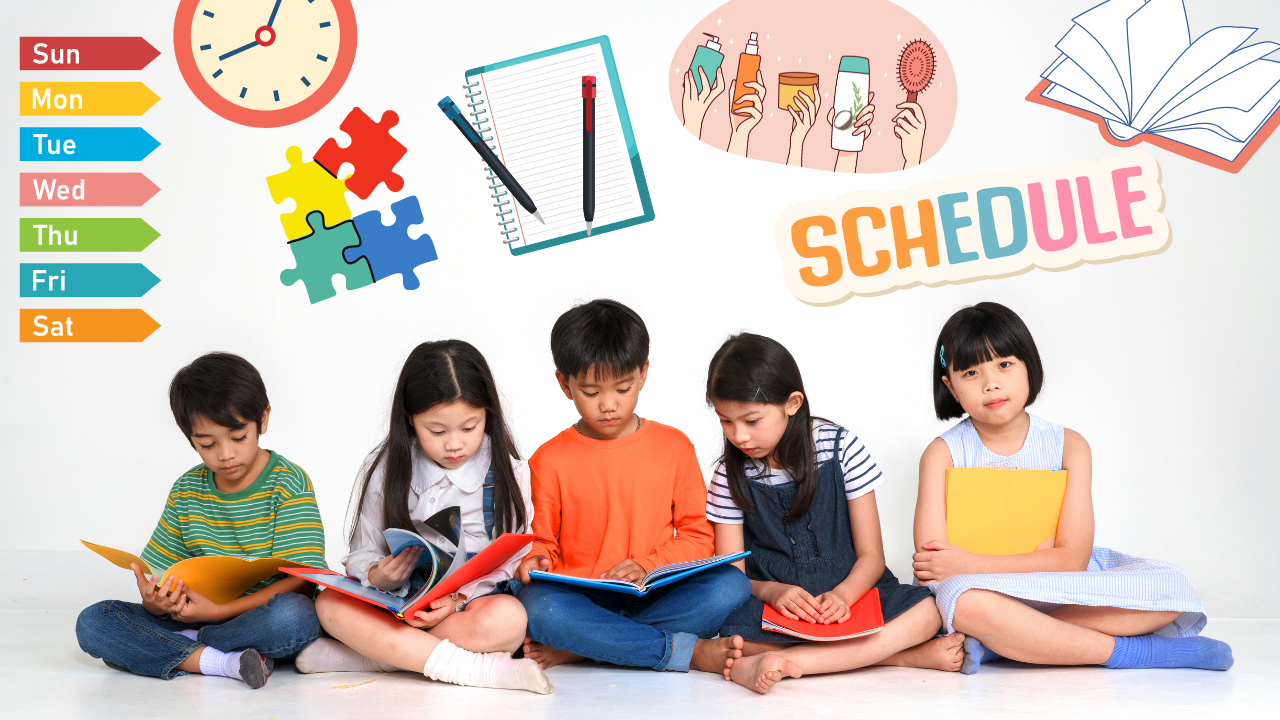
Young children thrive on predictability. When they know what comes next, they feel safe and confident. This foundation helps them grow into independent learners who can handle new challenges.
Singapore preschools have mastered the art of creating structured days that balance comfort with growth. These routines do more than fill time. They teach children essential life skills whilst giving them the security they need to explore and learn.
Morning Arrival Sets The Tone
The way a day begins matters enormously for young children. A consistent morning routine helps them transition from home to school smoothly.
Children arrive and place their belongings in designated spots. This simple task teaches responsibility and organisation. They learn where things belong and how to care for their items.
Greeting time follows a familiar pattern. Teachers welcome each child individually. This personal attention helps children feel valued and seen. They learn social skills like making eye contact and responding to greetings.
Free play before structured activities allows children to settle in at their own pace. Some need quiet time with books. Others jump straight into block building or puzzles. This flexibility within structure supports different temperaments whilst maintaining order.
Meal Times Build Self-Reliance
Snack and lunch periods offer rich opportunities for developing independence. Children learn to serve themselves, pour drinks, and clean up afterwards.
The preschool programme in Singapore often includes family-style dining. Children pass bowls and use serving spoons. These actions strengthen fine motor skills and teach consideration for others.
Teachers guide rather than do everything for children. A three-year-old might spill whilst pouring juice. That’s fine. The teacher shows them how to wipe it up. Next time, they pour more carefully.
Children also learn to recognise their own hunger and fullness cues. They decide how much to take. This supports healthy eating habits and self-awareness.
Rest Time Respects Individual Needs
Not every child needs a nap, but everyone benefits from quiet time. Preschools create calm spaces where children can rest or engage in peaceful activities.
Some children sleep on mats. Others look at books quietly or do gentle puzzles. This approach recognises that rest looks different for different people.
The consistent timing of rest periods helps regulate children’s internal clocks. Their bodies learn when to expect downtime. This makes bedtime at home easier too.
Teachers maintain the same soothing routine each day. Lights dim, soft music plays, and voices stay quiet. These cues signal to children that it’s time to slow down.
Learning Activities Follow Predictable Patterns
Circle time, outdoor play, and learning centres happen in the same order each day. Children know what to expect and can prepare mentally for transitions.
The preschool programme in Singapore typically includes clear signals for changes. A specific song means it’s time to clean up. A bell indicates moving outdoors. These consistent cues reduce anxiety and help children manage their own behaviour.
During activities, teachers encourage children to try tasks independently before asking for help. Can you put on your shoes yourself? Can you zip your bag? Small victories build confidence.
Children also learn to make choices within boundaries. They might select which art material to use or which book to read. This controlled freedom teaches decision-making skills.
Clean-Up Time Teaches Responsibility
Everything has a place, and children learn where items belong. Picture labels on shelves help even non-readers put toys away correctly.
Clean-up happens at set times throughout the day. It’s not a punishment or an afterthought. It’s a valued part of the routine that everyone participates in.
Teachers make it manageable by giving clear, simple instructions. Put the blocks in the blue bin. Stack the books on the shelf. Children feel successful because they know exactly what to do.
Departure Routines Create Closure
The end of the day follows the same pattern as the beginning. Children gather their belongings, say goodbye to friends, and transition back to family time.
A brief review of the day helps children process their experiences. What did we do today? What was your favourite part? This reflection builds memory and language skills.
The consistent goodbye routine reassures children that they’ll return tomorrow. Everything will be here waiting. The same friendly faces will greet them.
Parents benefit from this structure too. They know when to arrive and what their child has experienced. The preschool programme in Singapore creates partnership between home and school through these predictable patterns.
These daily rhythms create more than order. They build the foundation for lifelong learning, self-management, and emotional security.

Comments are closed.