
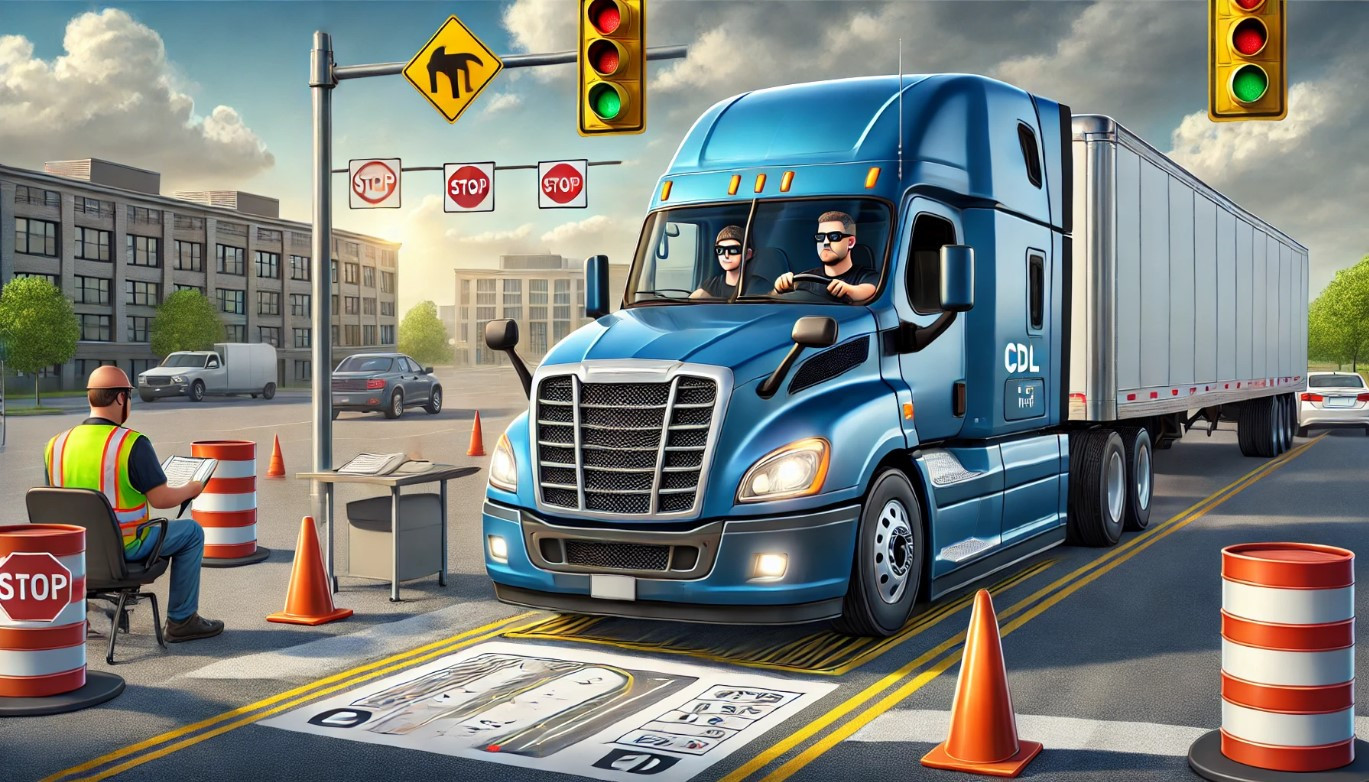
A long wait for your CDL road test can feel like watching a green light that never turns. For many aspiring truck drivers, every extra week spent waiting is a week without a paycheck, a new career, or a sense of progress. Thankfully, shorter refresher courses are changing the game, cutting down the timeline and helping drivers get on the road quickly, confidently, and with the skills to succeed.
Why Choose a Shorter Refresher Course for Your CDL Road Test?
Traditional full-length CDL training often takes several weeks, with hours devoted to classroom work, hands-on practice, and industry basics. But not every driver needs to start from square one. Shorter refresher courses are designed for those who already have a CDL permit or previous experience but need to brush up on skills before the big test.
The appeal is simple: why spend more time (and money) than you need? Refresher courses offer focused, targeted preparation, zeroing in on the exact skills drivers need to pass the road test or regain confidence after time away from the wheel.
What Are the Benefits Compared to Full-Length Training?
Speed is the most obvious advantage. Most comprehensive CDL courses take three weeks or more, but refresher programs can be completed in just one or two weeks. This means less time away from work and life commitments, plus a faster path to earning.
Cost follows closely behind. Shorter courses generally mean lower tuition, especially since you are only paying for the instruction you need, not for introductory lessons you have already mastered.
Flexibility is another perk. Many schools schedule refresher courses on an accelerated or weekend basis, fitting into the busy lives of working adults.
Who Is the Ideal Candidate for a Refresher Course?
Refresher courses are not for everyone. They shine for individuals with:
– A valid CDL permit but not yet licensed
– Previous truck-driving experience (even if it was years ago)
– An expired CDL looking to return to the profession
– Confidence with basic trucking skills but in need of recent practice
If you are completely new to trucking, a full-length course is still the best fit. But if you fall into one of these categories, a focused refresher may be all it takes.
How Do Shorter Refresher Courses Fit Into the CDL Licensing Timeline?
Applying for a CDL is rarely a linear sprint. Testing backlogs at the DMV mean you might be waiting two or three weeks for a road test slot. That delay can feel endless, especially if you are anxious to start earning. Refresher courses fit perfectly into this waiting period, transforming downtime into valuable practice and skill-building.
How Can They Help You Beat Long DMV Wait Times?
Some training schools are certified to conduct on-site testing, bypassing long DMV lines altogether. For example, students can enroll in DTR School of Trucking CDL classes, where state-certified examiners are available. This setup lets you complete your course and take your test nearly back-to-back, often shaving weeks off your licensing process.
What Is the Typical Duration and Schedule of These Courses?
Refresher courses are designed to be short and intensive. At DTR School of Trucking, options include:
– One-week refresher: For experienced drivers who need minimal re-training
– Two-week refresher: For those with a CDL permit who want extra time to practice and polish their skills
Classes often run on weekdays, but some schools offer weekend options, especially for those with daytime jobs or other commitments.
What Skills and Knowledge Does a Shorter Refresher Course Focus On?
Shorter courses do not waste time on basics you already know. Instead, they dive straight into the make-or-break skills that appear on the CDL road test and in real-world driving scenarios.
Key Areas: Pre-Trip Inspection, Backing, and Driving Skills
Three core skills dominate refresher training:
– Pre-trip inspection: Reviewing the vehicle checklist, identifying safety concerns, and learning to spot issues before they become problems.
– Backing maneuvers: Precision when reversing, including straight-line backing, offset backing, and alley docking.
– On-road driving: Navigating city streets, highways, turns, and intersections with confidence and safety.
How Hands-On Practice Accelerates Learning
Rather than sitting in a classroom, students spend most of their time on the range and on the road. This practical approach means muscle memory, quick thinking, and real-world problem-solving get sharpened, reducing anxiety when it is time for the actual test.
How Does Previous Experience Impact Your Refresher Course Choice?
Not all refresher students start from the same place. Some have been off the road for years, others just need a quick brush-up. The best training schools assess your current skills and tailor the program accordingly.
Options for Experienced Drivers vs. New Permit Holders
– For experienced drivers who have held a CDL or worked in trucking, a one-week refresher is often enough. The focus is on rebuilding confidence and updating any lapsed habits.
– For new permit holders who have studied but lack hands-on practice, a two-week course provides enough time to consolidate knowledge, ask questions, and perfect tricky maneuvers.
Tailoring Training to Your Skill Gaps
Good instructors begin by evaluating your strengths and weaknesses. Struggling with parallel parking or nervous about highway merging? Your course can be adjusted to spend more time in those areas, ensuring you are test-ready.
What Does a Typical One-Week or Two-Week Refresher Course Look Like?
Each day in a refresher course is purposeful and structured to maximize your learning in a short time.
Breakdown of On-Range and On-Road Training
A sample schedule might look like this:
| Day | Morning (Range) | Afternoon (On-Road) |
|————|—————————————-|————————————–|
| Monday | Pre-trip inspection practice | Local road driving |
| Tuesday | Backing maneuvers | Highway driving, lane changes |
| Wednesday | Advanced backing, alley dock | Turning, shifting, city navigation |
| Thursday | Mock test on range | Realistic test-drive scenario |
| Friday | Final review, targeted practice | Test or mock test |
Balancing Classroom Instruction and Practical Experience
Classroom time is minimal in a refresher course, focusing only on updated regulations, test requirements, or any knowledge gaps observed during hands-on practice. Most time is spent behind the wheel.
How Do Refresher Courses Improve Confidence and Test Readiness?
Stepping into a DMV test without recent hands-on driving is a recipe for nerves. Refresher courses provide safe, guided practice so that test day feels like just another drive.
Realistic Practice Scenarios That Mirror the Road Test
Instructors simulate test conditions, from the pre-trip inspection checklist to the precise backing exercises you will face on exam day. By the time you arrive at the testing site, you know exactly what to expect.
Techniques for Reducing Test Anxiety and Mistakes
Intensive practice breeds familiarity, which leads to calm under pressure. Instructors also teach strategies for managing nerves and recovering from minor mistakes, so a single slip does not derail your entire test.
What Makes a CDL Training School Stand Out for Refresher Courses?
Not all training is created equal. The right school can make a world of difference in your preparation, confidence, and ultimate success.
Importance of Certified Instructors and State-Approved Testing
Certified instructors know the latest regulations and understand the art of teaching adults efficiently. Schools that offer state-approved testing on-site let you avoid the unpredictable DMV waitlist, turning practice into progress without delay.
Flexible Scheduling and Support Services
Look for schools that offer evening or weekend classes, easy scheduling through apps, and staff who care about your success. Testimonials from graduates who landed jobs quickly or felt truly supported can be a powerful indicator of program quality.
How to Maximize Success After Completing a Refresher Course
Finishing the course is a major milestone, but your journey does not end there.
Booking Your Road Test Sooner
If your school has on-site state examiners, schedule your test immediately after completing training. If not, keep in close contact with the DMV and be ready to take any last-minute openings.
Continuing Skill Development Beyond the Course
Passing the road test is just the beginning. Commit to regular practice, review new regulations, and seek out advice from veteran drivers. Every mile on the road is a chance to learn and improve.
A shorter refresher course is more than just a time-saver, it is a focused launchpad designed to get you behind the wheel and on your way to a new career. By choosing a program that matches your experience and needs, such as DTR School of Trucking CDL classes, you can transform anxiety and downtime into real progress, passing your road test faster and with greater confidence. The road ahead is waiting.

Comments are closed.