Category

Tests

Category

Test anxiety is a common problem that many students face. It is a feeling of fear or apprehension that can occur before or during an exam. Test anxiety can have a negative impact on a student’s academic performance and can also affect their overall well-being. In this article, we will discuss the causes and effects of test anxiety, as well as some coping strategies that can help students overcome it.

Causes of Test Anxiety

  • Pressure to perform well: Students may feel pressure from themselves, their parents or teachers to perform well on exams.
  • Past experiences: If a student had a negative experience with a test in the past, they may develop anxiety about future tests.
  • Perfectionism: Students who have a tendency to be perfectionists may feel a need to perform perfectly on exams, which can lead to anxiety.
  • Lack of preparation: Students who feel unprepared for an exam may experience anxiety about their performance.
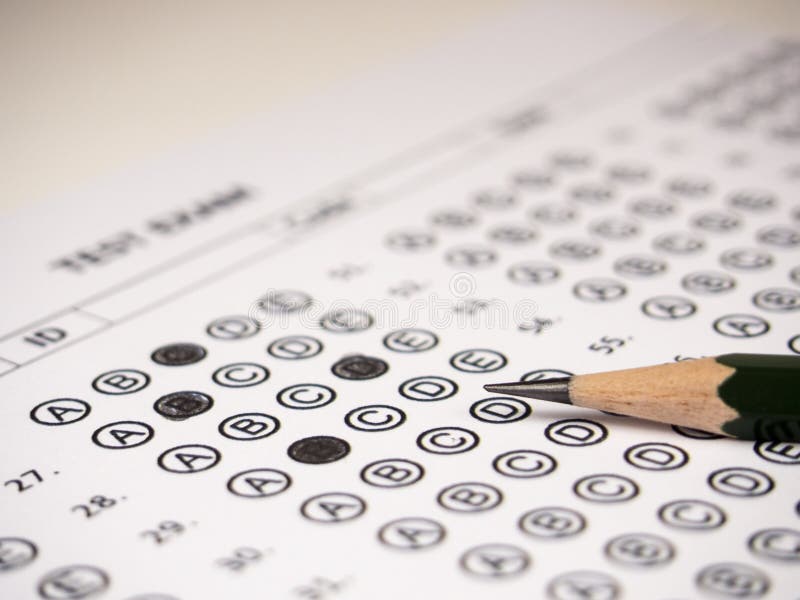
  • Test format: Some students may experience anxiety due to the format of the test, such as multiple-choice questions or timed exams.
Education Test Answer Sheet and Pencil Stock Image - Image of check, pencil: 95356163

Effects of Test Anxiety

Test anxiety can have a variety of negative effects on a student’s academic performance and overall well-being. Some of the effects of test anxiety include:

  • Difficulty concentrating
  • Memory problems
  • Physical symptoms such as headaches, nausea, and trembling
  • Lowered self-esteem
  • Reduced academic performance
  • Decreased motivation and engagement with learning

Coping Strategies for Test Anxiety

There are several coping strategies that students can use to manage test anxiety. Some of these strategies include:

  • Preparation: One of the best ways to reduce test anxiety is to prepare thoroughly for exams. This can include studying regularly, reviewing material, and practicing test-taking strategies.
  • Relaxation techniques: Deep breathing, meditation, and visualization can help reduce anxiety and promote relaxation.
  • Positive self-talk: Encouraging and positive self-talk can help students feel more confident and reduce anxiety.
  • Time management: Students can reduce anxiety by managing their time effectively and avoiding procrastination.
  • Seeking support: Talking to a trusted friend, family member or teacher can help alleviate anxiety and provide support.
  • Professional help: In severe cases, students may benefit from seeking professional help, such as therapy or counseling.

Overall, test anxiety can be a challenging problem for students, but it is possible to overcome. By understanding the causes and effects of test anxiety and implementing effective coping strategies, students can reduce their anxiety and perform better on exams.


High-stakes testing has become a major part of the education system in many countries, including the United States. These tests are designed to measure student achievement and hold schools accountable for their performance. While the goal of these tests is to improve education, the impact on teaching practices is complex and multifaceted.

How to Score high in PTE Academic Writing Test? - IOA Global

What is High-Stakes Testing?

High-stakes testing refers to standardized tests that have significant consequences for students, teachers, and schools. These tests are typically used to make important decisions about education, such as grade promotion, graduation, and college admissions. High-stakes tests are often used as a measure of student achievement and school performance, and the results are used to hold educators accountable.

The Impact on Teaching Practices

High-stakes testing has had a significant impact on teaching practices. Many educators feel that these tests have narrowed the focus of instruction and reduced the emphasis on critical thinking and creativity. Teachers are often forced to spend a significant amount of time preparing students for these tests, which can lead to a focus on rote memorization rather than deeper learning.

Furthermore, the pressure to perform well on high-stakes tests can lead to a culture of teaching to the test. This means that teachers may focus on teaching specific test-taking strategies rather than teaching the broader skills and knowledge that students need to succeed in life. Students may become disengaged or frustrated with the emphasis on testing, leading to a decrease in their motivation to learn.

Positive Effects of High-Stakes Testing

Despite these challenges, there are also some positive effects of high-stakes testing on teaching practices. For example, these tests have encouraged teachers to become more data-driven in their approach to instruction. Teachers are now more likely to use data to identify areas where students need additional support and to adjust their instruction accordingly.

Additionally, high-stakes testing has helped to shine a light on educational disparities. By measuring student achievement and holding schools accountable, these tests have forced educators to pay more attention to equity and access. Schools that serve disadvantaged students are now more likely to receive additional resources and support to help their students succeed.

The impact of high-stakes testing on teaching practices is complex and multifaceted. While there are certainly challenges to this approach, there are also some positive effects. Ultimately, the goal of education is to prepare students for success in life, and high-stakes testing is just one tool that can help to achieve that goal.

Traditional assessment methods like exams and quizzes have long been a staple of education. However, with a growing focus on student-centered learning and personalized education, alternative assessment methods have become increasingly popular. Among these methods are portfolios, projects, and presentations. Let’s explore these alternative assessment methods in detail.

Portfolios

A portfolio is a collection of student work that demonstrates their learning progress over time. Portfolios can include a variety of materials such as written assignments, research papers, artwork, and photographs. Portfolios can be in either paper or digital format. They allow students to reflect on their learning journey and showcase their accomplishments.

Exam - Wikipedia

Portfolios are an effective alternative assessment method because they provide a comprehensive view of a student’s abilities and progress. They also allow for more personalized assessment as the teacher can tailor the assessment to individual student needs. Additionally, portfolios encourage students to take ownership of their learning and become more self-directed learners.

Projects

Projects are another alternative assessment method that can be used to evaluate student learning. Projects are typically hands-on activities that require students to apply their knowledge and skills to real-world situations. Projects can take many forms, such as designing a website, creating a model, or conducting an experiment.

Projects are an effective assessment method because they encourage students to think critically and creatively. They also allow for collaborative learning and can be used to assess a wide range of skills, including problem-solving, communication, and teamwork.

Presentations

Presentations are another alternative assessment method that can be used to evaluate student learning. Presentations require students to prepare and deliver a talk or demonstration to an audience. Presentations can take many forms, such as a PowerPoint presentation, a speech, or a video.

Presentations are an effective assessment method because they allow students to practice their communication skills and improve their confidence in public speaking. They also require students to organize and present their ideas in a clear and concise manner.

Alternative assessment methods like portfolios, projects, and presentations provide a more comprehensive view of student learning than traditional assessment methods. These methods allow for personalized assessment and encourage students to take ownership of their learning. Implementing these alternative assessment methods can help teachers create a more student-centered classroom and prepare students for success in the real world.

Formative assessments are a crucial tool for teachers to monitor student learning and provide feedback for improvement. Unlike summative assessments, which provide a final grade or evaluation of student understanding, formative assessments are ongoing and focus on the process of learning. By using formative assessments, teachers can identify areas where students may be struggling and adjust their teaching strategies accordingly, leading to enhanced learning outcomes.

WB: Poor performance of students in UG exams after resuming offline tests

What are Formative Assessments?

Formative assessments are assessments that are used throughout the learning process to track student progress and provide feedback. They are often informal and can take many forms, including quizzes, surveys, observations, and discussions. The goal of formative assessments is to provide feedback that can be used to improve learning outcomes, rather than simply evaluating the final product.

How Do Formative Assessments Enhance Learning?

One of the key benefits of formative assessments is that they allow teachers to identify areas where students may be struggling and adjust their teaching strategies accordingly. For example, if a formative assessment reveals that students are struggling with a particular concept, the teacher can provide additional instruction or resources to help students better understand the material. This targeted approach to teaching can lead to enhanced learning outcomes and better overall student performance.

Another benefit of formative assessments is that they provide students with regular feedback on their progress. This feedback can help students identify areas where they need to improve and adjust their study habits accordingly. For example, if a formative assessment reveals that a student is struggling with a particular skill, the student can focus on practicing that skill to improve their understanding.

The Different Types of Formative Assessments

There are many different types of formative assessments that teachers can use to monitor student learning. These include:

  • Quizzes: Quizzes can be used to assess student understanding of specific concepts or skills. They can be given in a variety of formats, including multiple choice, short answer, and essay questions.
  • Surveys: Surveys can be used to gather feedback from students on their understanding of the material, their study habits, and their overall learning experience.
  • Observations: Observations can be used to assess student behavior and engagement in the classroom. Teachers can use observations to identify areas where students may be struggling or disengaged.
  • Discussions: Discussions can be used to assess student understanding of complex topics and encourage critical thinking skills. Teachers can use discussions to identify areas where students may be struggling to understand the material.

The Importance of Using Formative Assessments

Formative assessments are an essential tool for teachers to monitor student learning and provide feedback for improvement. By using formative assessments, teachers can identify areas where students may be struggling and adjust their teaching strategies accordingly. This targeted approach to teaching can lead to enhanced learning outcomes and better overall student performance. Additionally, formative assessments provide students with regular feedback on their progress, helping them to identify areas where they need to improve and adjust their study habits accordingly.

Overall, formative assessments play a crucial role in enhancing learning outcomes and should be an integral part of any teaching strategy. By using formative assessments, teachers can ensure that their students are on track to achieve their learning goals and reach their full potential.

Standardized testing has become a prominent feature of education systems around the world. It is designed to gauge the knowledge and skills of students in a consistent and objective manner. However, the practice has come under scrutiny in recent years, with concerns raised about its effectiveness and impact on students. In this article, we will explore the pros and cons of standardized testing in education.

Pros of Standardized Testing

  • Assessing Student Performance: Standardized tests are designed to measure the knowledge and abilities of students across different subjects and grade levels. This can help teachers identify areas where students may be struggling and adjust their teaching methods accordingly.
  • Accountability: Standardized tests are used to hold schools and teachers accountable for student performance. This can help ensure that students are receiving a quality education and that teachers are doing their job effectively.
  • Comparability: Standardized tests provide a way to compare the performance of students across schools, districts, and even countries. This can help identify areas where improvements are needed and facilitate the sharing of best practices.

Studying so far and yet so near - Chinadaily.com.cn

Cons of Standardized Testing

  • Narrow Focus: Standardized tests often focus on a narrow range of subjects and skills, such as reading and math. This can lead to a neglect of other important subjects, such as the arts and social sciences, and limit the development of critical thinking and creativity.
  • Stress and Anxiety: Standardized tests can create stress and anxiety for students, particularly those who struggle with test-taking or who feel pressure to perform well. This can have a negative impact on their mental health and well-being.
  • Teaching to the Test: Standardized tests can lead teachers to focus on teaching to the test rather than providing a well-rounded education that prepares students for life beyond the classroom. This can limit the development of important skills, such as problem-solving and collaboration.

Standardized testing has both its pros and cons. While it can be a useful tool for assessing student performance and ensuring accountability, it can also have a limiting effect on education and create stress and anxiety for students. Ultimately, it is up to educators and policymakers to strike a balance between the benefits and drawbacks of standardized testing and to ensure that students are receiving a well-rounded education that prepares them for success in all aspects of life.